January 9, 2026
.png)
Car accidents happen when we least expect them, and knowing the right steps after a car accident can make a significant difference in protecting yourself, your passengers, and your financial interests.
At Texas Collision Centers, we understand that the moments following an accident can be overwhelming and confusing.
That's why we've put together this comprehensive guide to help you navigate those critical first steps before bringing your vehicle to our collision repair center.
The very first thing to remember after any car accident is prioritizing safety. Your well-being and that of others involved should always come before property damage concerns. Even minor fender-benders can create dangerous situations on busy roads.
If your vehicle is operable and you're blocking traffic, try to move it to the shoulder or a safe area nearby. Turn on your hazard lights immediately to alert other drivers. If your car won't start or you suspect significant damage, leave it where it is and focus on getting yourself and your passengers to safety.
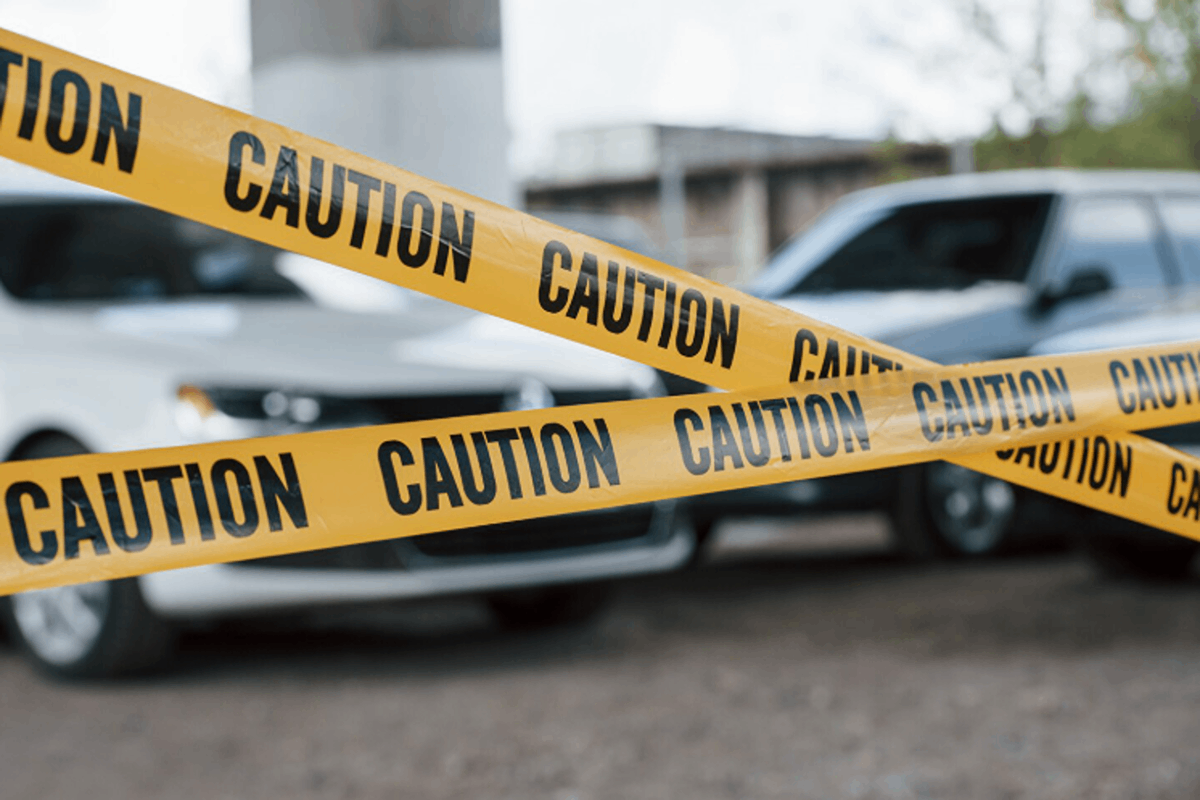
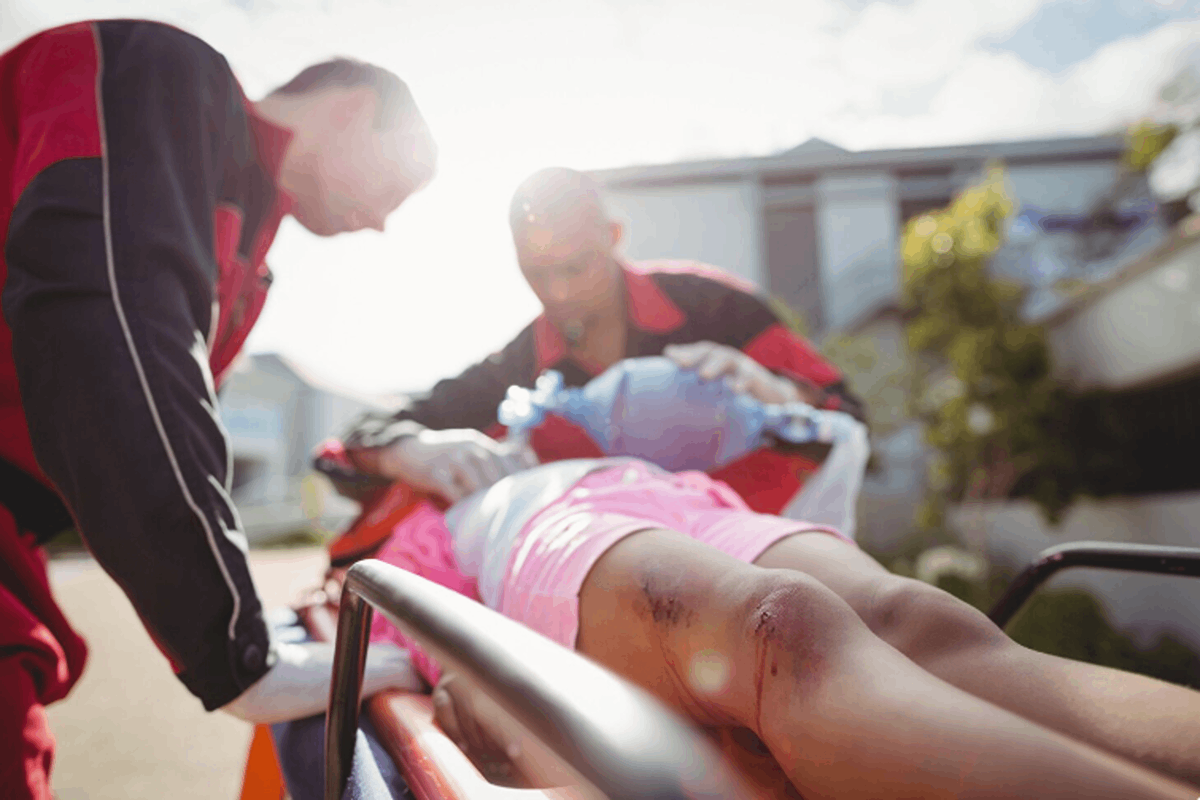
Check yourself and any passengers for injuries, no matter how minor the accident may seem. Adrenaline can mask pain and injuries that become apparent hours later. If anyone feels dizzy, nauseous, or reports any discomfort, treat it as a potential injury requiring medical attention.
Taking the right steps after a car accident in the proper order helps ensure nothing important gets overlooked. Here's our recommended sequence:
Each of these steps plays a crucial role in protecting your interests and ensuring proper documentation for insurance claims and repairs.
Many people wonder whether they need to involve law enforcement after a car accident. In Texas, you're required to report accidents that result in injury, death, or property damage exceeding $1,000. However, we recommend calling the police for any accident, regardless of apparent severity.
Police officers create official accident reports that insurance companies rely on when processing claims. These reports provide an unbiased third-party account of what happened, which can be invaluable if disputes arise later.
Even if the other driver suggests handling things privately without police involvement, politely insist on following proper procedures. Some damage isn't immediately visible, and what seems like a minor scratch might involve more extensive repairs once our technicians at Texas Collision Centers perform a thorough inspection.
Proper documentation starts at the accident scene. The information you gather will be essential when working with insurance companies and collision repair centers like ours. Make sure you collect comprehensive details while everything is fresh in your memory.
Don't forget to get contact information for passengers in other vehicles as well. They may have observed details that the drivers missed, and their accounts could be valuable if insurance disputes develop.
Take photos from multiple angles showing the overall accident scene, specific damage to all vehicles, license plates, and any relevant road signs or traffic control devices. Modern smartphones make this easy, and these photos often provide crucial evidence that written descriptions alone cannot capture.
Contacting your insurance company should happen as soon as possible after ensuring everyone's safety and gathering necessary information. Most insurers have 24-hour claim reporting hotlines, and prompt notification often speeds up the entire process.
Your insurance company will assign a claims adjuster who will assess the damage and determine coverage. However, remember that you have the right to choose your own collision repair facility in most cases. At Texas Collision Centers, we work directly with insurance companies to streamline the repair process for our customers.
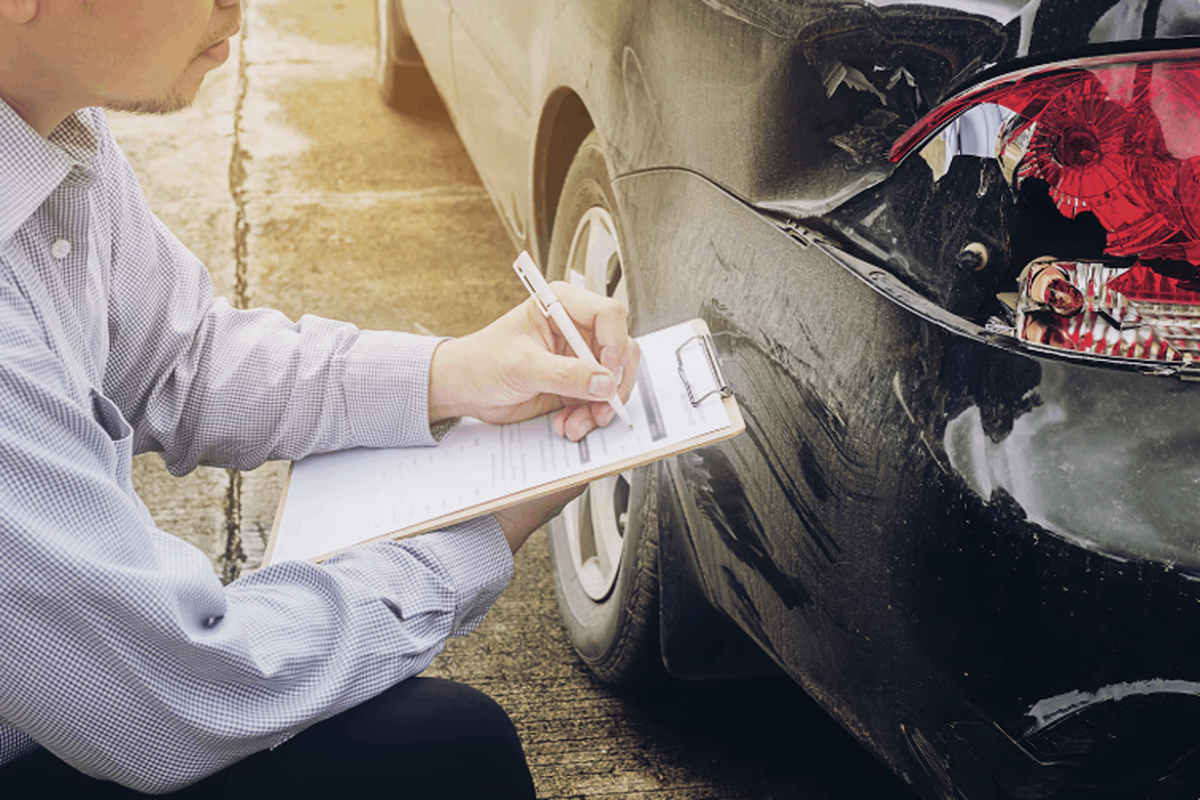
When speaking with insurance representatives, stick to factual information about what happened. Avoid speculating about fault or making statements like "I'm sorry" that could be interpreted as admissions of guilt. Simply describe the events as you observed them.
In cases where damage is extensive, the adjuster may determine that insurance payout for a totaled car is more appropriate than repairs.
After handling the immediate steps after a car accident, you'll need to decide where to have your vehicle repaired. This choice can significantly impact both the quality of repairs and your overall experience during what's already a stressful time.
Many insurance companies may recommend specific repair shops, but you're not required to use their suggestions. As a locally-owned business, Texas Collision Centers offers something that larger corporate chains simply cannot: personalized service with a hometown touch.
We believe that exceptional collision repair goes beyond just fixing damaged metal and plastic. Our team understands that your vehicle represents freedom, reliability, and often a significant financial investment. That's why every repair we complete comes with the Texas Collision Centers promise, backing our commitment to quality and honesty.
Not all collision repair facilities are created equal. When choosing where to have your vehicle repaired, consider several important factors that directly affect the quality of work you'll receive.
At Texas Collision Centers, we meet all these criteria while providing the personal attention that sets us apart from impersonal chain operations. Our comprehensive collision repair services cover everything from minor damage to major structural repairs.
Our locally-owned business model means we're invested in our community and accountable to our neighbors.
Once you've selected a collision repair center, the relationship between you, the shop, and your insurance company begins. Quality repair facilities will handle much of the insurance communication for you, but staying informed about the process helps ensure everything goes smoothly.
We encourage our customers to ask questions about repair timelines, parts availability, and any additional damage discovered during disassembly. To get started, you can request free online estimates before bringing your vehicle in.
Sometimes collision damage extends beyond what's immediately visible, and reputable shops will contact you and your insurance company before proceeding with unexpected repairs.
During the repair process, don't hesitate to check in periodically. At Texas Collision Centers, we welcome customer visits and are happy to explain the work being performed. This transparency is part of our commitment to exceptional service delivery.
Proper documentation doesn't end at the accident scene. Throughout the entire process, from initial insurance contact through final vehicle pickup, maintaining detailed records protects your interests and simplifies future reference.
Keep both physical and digital copies of important documents. Email confirmations, text message conversations, and phone call logs can all be relevant if complications arise later.
One crucial reason for choosing an experienced collision repair facility is its ability to identify damage that isn't immediately obvious. Modern vehicles contain complex systems that can be affected by seemingly minor impacts.
Safety systems like airbag sensors, collision avoidance technology, and structural components may require inspection even after minor accidents. Modern vehicles often need ADAS calibration after collision repairs to ensure these advanced systems function properly.
At Texas Collision Centers, our technicians are trained to identify all hidden issues and ensure your vehicle is truly safe before returning it to you.
Frame damage is particularly concerning because it affects vehicle safety and performance in ways that aren't always immediately apparent. Professional frame inspection and repair require specialized equipment and expertise that not all repair facilities possess.
Understanding what happens during collision repair helps set realistic expectations about how long your vehicle will be out of service. The timeline depends on damage severity, parts availability, and shop workload.
Minor repairs like small dents or scratches might be completed in a few days with techniques like paintless dent repair, while major collision damage requiring frame work and extensive parts replacement could take several weeks.
Weather can also affect repair timelines, particularly for paint work that requires specific temperature and humidity conditions.
We always provide realistic time estimates and keep customers updated if circumstances change. Our goal is to complete quality repairs as quickly as possible while never compromising on the standards that our Texas Collision Centers promise.
While dealing with an accident, it's worth considering steps to reduce future accident risk. Defensive driving practices, regular vehicle maintenance, and staying alert to road conditions all contribute to safer travel.
Modern vehicles include many safety features designed to prevent or minimize collision damage. Understanding how these systems work and ensuring they're properly maintained after any accident is important for ongoing protection.
Regular maintenance of brakes, tires, lights, and other safety-related components helps ensure your vehicle can respond properly in emergency situations. After collision repairs, make sure all safety systems are tested and functioning correctly before resuming normal driving.
Different types of insurance coverage affect how accident costs are handled and what options you have for repairs. Understanding your coverage helps you make informed decisions during the claims process.
Liability coverage pays for damage you cause to others, while collision coverage handles damage to your own vehicle regardless of fault. Comprehensive coverage protects against non-collision events like weather, theft, or vandalism.
If you're not at fault for an accident, the other driver's insurance should cover your repair costs. However, using your own coverage sometimes speeds up the process, with your insurance company seeking reimbursement from the at-fault party later.
Before accepting your repaired vehicle, conduct a thorough inspection to ensure all work meets your expectations. Check paint color matching, panel alignment, and functionality of lights, doors, and other components.
Take a test drive to verify that the vehicle handles normally and that all systems work properly. Any concerns should be addressed immediately while you're still at the repair facility.
At Texas Collision Centers, we perform our own quality control inspections before calling customers for pickup. However, we encourage customers to examine their vehicles carefully and ask questions about any aspect of the repair work.
Making the right steps after a car accident can feel overwhelming, but you don't have to navigate the repair process alone. At Texas Collision Centers, we combine the technical expertise you need with the personal attention you deserve during this challenging time.
Our locally-owned business model means we're accountable to our community and committed to building lasting relationships with our customers. Unlike large corporate chains, we know our customers by name and take personal pride in every vehicle that leaves our facility.
When you're ready to restore your vehicle to pre-accident condition, contact us for a personal estimate. Our experienced team will work directly with your insurance company to make the process as smooth as possible while maintaining the quality standards that set us apart.
Find your location today and experience the difference that hometown service and professional expertise can make in your collision repair experience.
Repair costs and timelines may vary based on damage severity, parts availability, and insurance coverage specifics.
Learn more about the collision repair process with insights from the TCC team.


Call us now to schedule your personal estimate
Find A Location


