January 19, 2026
.jpg)
When you're dealing with a car accident, understanding your collision insurance can feel overwhelming. At Texas Collision Center, we work with customers who need help making sense of their coverage. We know how confusing insurance can be, especially when you're already stressed about vehicle damage.
That's why we've put together this complete guide that contains everything about collision insurance, explained in everyday terms, so you know exactly what to do if the need arises.
We'll walk you through everything you need to know, from what's covered to how the repair process works. As your hometown collision repair experts, we want to help you understand your options and get your vehicle back on the road safely.
Collision insurance is a type of auto coverage that pays for collision repairs for your vehicle and applies to damage that arises when you hit another car, object, or structure. Unlike liability insurance, which covers damage you cause to others, collision coverage protects your own vehicle.
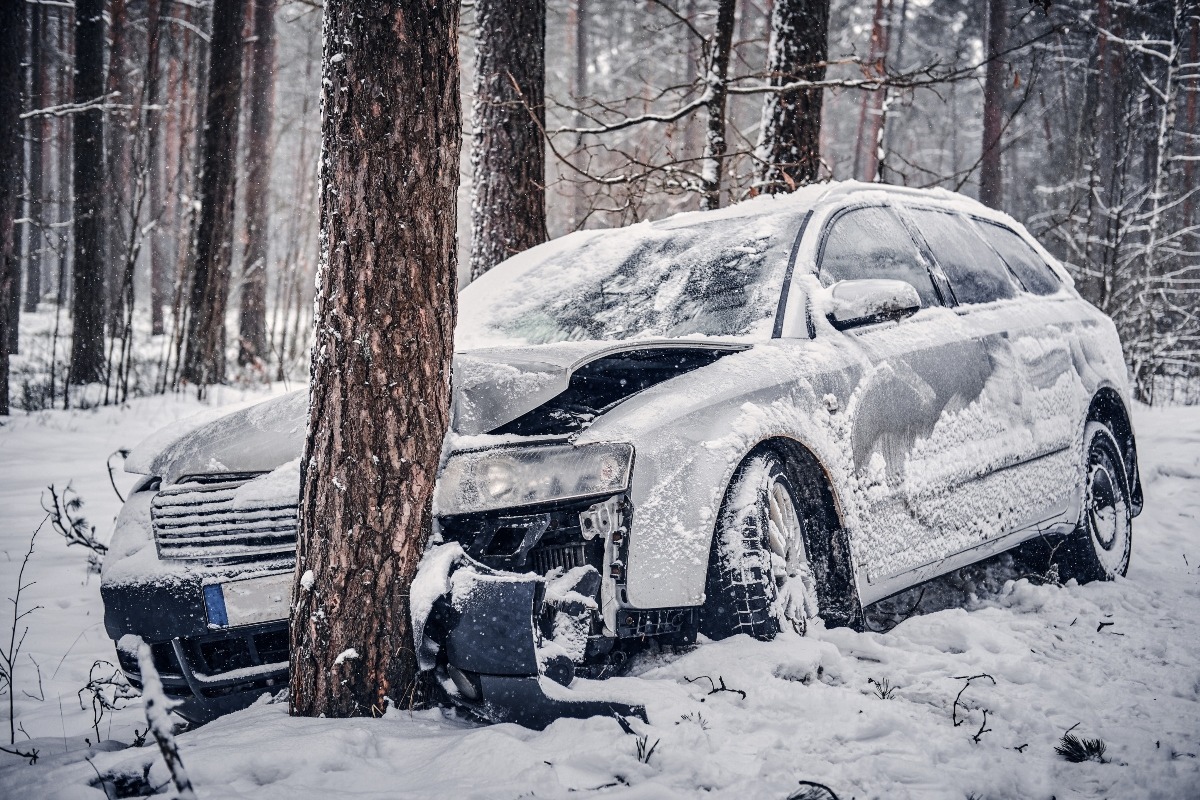
This coverage kicks in whether you're at fault or not. If you hit a tree, another car rear-ends you, or you slide into a guardrail during bad weather, collision insurance helps cover the repair costs.
Most lenders require collision coverage if you're financing or leasing your vehicle. Even if it's not required, many drivers choose this protection because vehicle repairs can be expensive, and collision insurance provides valuable peace of mind.
Understanding what's included in your collision insurance helps you know what to expect during the insurance claim process. Here's what this coverage typically includes:
In the applicable cases, collision repairs that are covered under the collision insurance can include various types of services, including bumper repair, fender repair, windshield repair, frame alignment, ADAS calibration, paint jobs, and more.
Just as important as knowing what's covered is understanding what collision insurance doesn't include. The main exclusions are listed below:

Your deductible is the amount you pay out of pocket before your collision insurance covers the remaining costs. Understanding how deductibles work helps you make better decisions about your coverage.
Most collision deductibles range from $250 to $1,000, though you can often choose higher amounts to lower your premium. When you file a claim, you pay your deductible directly to the repair shop, and your insurance covers the rest.
If repair costs are less than your deductible, collision insurance won't pay anything. You're responsible for the full amount. This is why choosing the right deductible amount matters for your budget and needs.
Some insurance companies offer disappearing deductibles or deductible rewards programs. These reduce your deductible over time if you maintain a clean driving record.
Filing a collision insurance claim involves several steps. At Texas Collision Center, we guide our customers through this process to make it as smooth as possible.
The adjuster will assess your vehicle's damage and determine if it's repairable or a total loss. If the repair costs exceed a certain percentage of your car's value (usually 70–80%), the insurance company will likely declare it totaled.
Also, remember that you have the right to select where your vehicle gets fixed. Insurance companies may suggest shops, but you can choose any qualified collision repair center.
Understanding how insurance companies determine total loss helps you know what to expect from your collision insurance claim.
Insurance companies calculate your vehicle's actual cash value (ACV) before the accident. This considers your car's age, mileage, condition, and market value. If repair costs plus salvage value exceed the ACV, they'll declare it a total loss.
If your vehicle is declared a total loss, collision insurance pays the ACV minus your deductible. You keep the insurance payment for a totaled car, and the company takes possession of your damaged vehicle.
Sometimes you can negotiate with your insurance company if you disagree with their total loss determination. Additional estimates from qualified shops like Texas Collision Center can provide valuable information for these discussions.

Deciding on collision insurance coverage amounts requires balancing protection with affordability. Several factors influence this decision.
Several misconceptions about collision insurance can lead to poor coverage decisions. Let's clear up these common myths.
Many people believe their rates automatically increase after any collision claim. While at-fault accidents often affect premiums, claims where you're not at fault typically don't cause rate increases.
Another myth is that collision insurance covers everything related to accidents. As we've discussed, this coverage has specific limits and exclusions that drivers should understand.
Some drivers think they must use insurance company-recommended repair shops. In reality, you can choose any qualified collision repair facility, including locally-owned shops like Texas Collision Center.
The myth that older cars don't need collision coverage isn't always true. While it may not make financial sense for very old vehicles, cars worth several thousand dollars can still benefit from collision insurance protection.
The repair shop you choose significantly impacts your collision insurance claim experience. At Texas Collision Center, we work directly with insurance companies to streamline the process for our customers.
Quality collision repair shops communicate directly with your insurer about repair needs and costs. This coordination helps prevent delays and ensures all necessary work gets approved.
We provide detailed estimates that insurance adjusters can review and approve. Our experience with collision insurance claims helps us identify potential issues early and address them proactively.
Choose a collision repair center that offers collision repair warranties. The Texas Collision Centers promise backs every repair we complete, giving you confidence in the quality and durability of our work.
Several factors influence your collision insurance premiums. Understanding these helps you make informed coverage decisions.
Different types of vehicles have varying collision insurance considerations.
New vehicles typically require collision coverage from lenders, and the higher values make this protection financially sensible. Depreciation affects coverage value over time, so review your needs annually.
Luxury and sports cars face higher collision insurance costs due to expensive parts and specialized repair requirements. However, these vehicles also benefit most from quality collision coverage.
Commercial vehicles need specialized collision insurance policies that account for business use and higher liability risks.
Classic or antique cars may need agreed-value collision policies that account for their special status and potentially appreciating values.
Successfully managing your collision insurance claim requires preparation and knowledge.
Document everything related to your accident. Take photos of all vehicle damage, the accident scene, and any relevant road conditions. This documentation supports your claim and helps repair shops understand the damage scope.
Keep detailed records of all communications with your insurance company. Note dates, times, and the names of representatives you speak with.
Get multiple repair estimates if your insurance company's initial assessment seems low. Qualified shops like Texas Collision Center can provide detailed estimates that ensure all damage gets properly addressed.
Understand your policy's rental car coverage limits. If you have this protection, know how much it covers per day and for how long.
Don't accept the first settlement offer if you believe it's inadequate. Insurance companies sometimes start with lower offers, expecting negotiation.

Collision insurance isn't right for every driver or vehicle, but it provides valuable protection in many situations.
If you're financing or leasing your vehicle, collision coverage is typically required. Even after paying off your loan, consider keeping this protection if your car has significant value.
Drivers who can't afford major repair costs out of pocket should maintain collision insurance coverage. This protection prevents financial hardship after accidents.
If you drive frequently or in high-risk areas, collision coverage provides important peace of mind. Long commutes, urban driving, and challenging weather conditions increase accident risks.
Consider your vehicle's replacement cost versus your coverage costs. If annual collision insurance premiums exceed 10–15% of your car's value, you might consider dropping this coverage.
When collision insurance pays for repairs, choosing the right auto body shop ensures you get proper service and quality workmanship.
At Texas Collision Center, we understand insurance requirements and work within approved guidelines while maintaining our high standards. Our experience with collision claims helps streamline the process for customers.
Quality collision repair shops use proper parts, follow manufacturer specifications, and provide warranties on their work. These factors matter whether you're paying out of pocket or using collision insurance.
We provide transparent communication throughout the repair process, keeping both customers and insurance companies informed about progress and any additional damage discovered during repairs.
Understanding collision insurance helps you make better coverage decisions and navigate claims more effectively. The key is knowing what's covered, what isn't, and how to work with both insurance companies and repair shops.
At Texas Collision Center, we combine technical expertise with hometown service to help customers through the collision repair process. Our experience with insurance claims and commitment to quality ensure your vehicle gets properly repaired.
Whether you're dealing with a current claim or planning future coverage, remember that you have choices in how your collision insurance claim gets handled.
When collision insurance covers your repairs, you deserve a shop that combines quality workmanship with honest service. Texas Collision Center provides exactly that - exceptional collision repair with a hometown touch that larger chains simply can't match.
We work directly with insurance companies to make your claim process smooth while ensuring every repair meets our high standards. Our Texas Collision Centers promise backs every job we complete.
Don't let collision damage keep you off the road longer than necessary.
Contact our local experts today for an estimate and experience the difference that hometown collision repair makes.
Learn more about the collision repair process with insights from the TCC team.


Call us now to schedule your personal estimate
Find A Location


