January 14, 2026
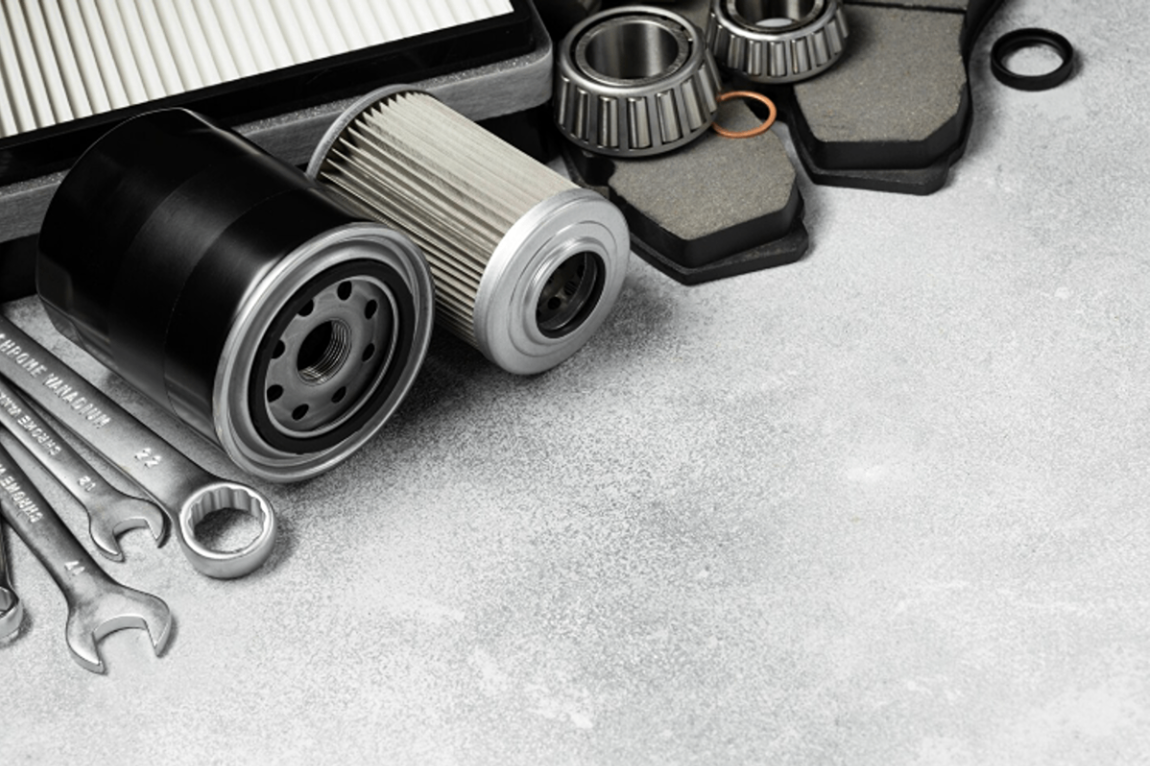
When your vehicle needs collision repair, one of the most important decisions you'll face is choosing between OEM parts and aftermarket parts. At Texas Collision Center, we understand this choice can feel overwhelming, especially when you're already dealing with the stress of vehicle damage.
As a locally-owned collision repair business, we've helped thousands of customers navigate this decision. Our commitment to honest service means we'll always explain your options clearly, helping you make the best choice for your specific situation and budget.
The difference between OEM parts and aftermarket parts goes beyond just price. Each option has distinct advantages and considerations that can impact your vehicle's performance, safety, and resale value. Let's break down everything you need to know to make an informed decision.
OEM parts stand for Original Equipment Manufacturer parts. These are the exact same components that were installed on your vehicle when it rolled off the assembly line. The manufacturer produces these parts to precise specifications, ensuring perfect fit and function.
When we use OEM parts at Texas Collision Center, we're essentially replacing damaged components with identical pieces. This means the part will look, feel, and perform exactly like the original. The quality standards match what the vehicle manufacturer requires for new cars.
OEM parts come with the manufacturer's warranty and guarantee. This backing provides peace of mind that the component meets all safety and quality standards set by your vehicle's maker. Insurance companies often prefer OEM parts for newer vehicles or luxury cars.
The main advantage of choosing OEM parts is certainty. You know exactly what you're getting, and there's no guesswork about fit or function. These parts maintain your vehicle's original specifications and can help preserve its resale value.
Aftermarket parts are components manufactured by companies other than your vehicle's original manufacturer. These companies design parts to fit and function like the original, but they're not made by the same company that built your car.
The aftermarket industry is massive, with many reputable companies producing high-quality replacement parts. Some aftermarket manufacturers even supply parts to the original vehicle manufacturers, so the quality can be excellent.
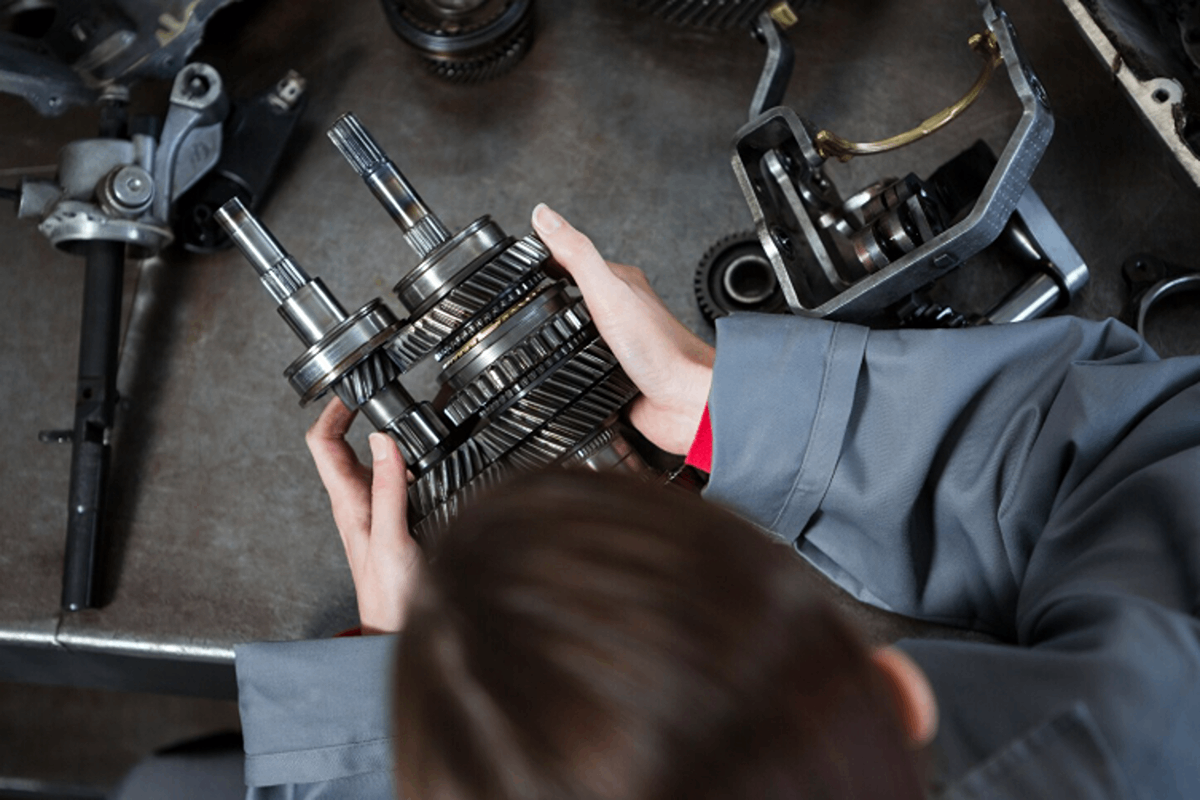
At Texas Collision Center, we work with trusted aftermarket suppliers who meet our quality standards. We carefully evaluate aftermarket options to ensure they provide reliable performance and proper fit for your vehicle.
Aftermarket parts often cost less than OEM options, making them attractive for budget-conscious repairs. They're also typically more readily available, which can reduce repair time and get you back on the road faster.
The quality difference between OEM parts and aftermarket parts isn't always significant. Many aftermarket manufacturers produce parts that meet or exceed OEM specifications. However, the consistency can vary depending on which aftermarket company makes the part.
Price represents one of the biggest differences. Aftermarket parts typically cost 20-50% less than OEM equivalents. For major repairs involving multiple parts, these savings can be substantial.
Availability is another important factor. OEM parts sometimes need to be ordered directly from the manufacturer, which can add days or weeks to your repair timeline. Aftermarket parts are often in stock at local suppliers.
Additionally, the distinction between structural and cosmetic damage often determines which parts make the most sense.
Several situations make OEM parts the better choice for your repair.
Newer vehicles still under manufacturer warranty should generally use OEM parts to avoid any potential warranty issues.
Luxury and high-end vehicles often benefit from OEM parts. These vehicles have precise engineering tolerances, and OEM parts ensure everything works exactly as designed. The resale value protection can also justify the extra cost.
Safety-critical components like airbag systems, brake parts, and structural elements are areas where OEM parts provide maximum confidence. While quality aftermarket options exist, OEM parts eliminate any uncertainty about performance.
If you plan to keep your vehicle for many years, OEM parts can be a wise investment. They're designed to last as long as the original components and maintain the vehicle's intended performance characteristics.
Aftermarket parts work well for many repair situations, especially on older vehicles where warranty concerns don't apply.
If your car is more than five years old, quality aftermarket parts can provide excellent value.
Budget-conscious repairs often call for aftermarket solutions. When repair costs approach your vehicle's value, aftermarket parts can make the repair financially sensible while still restoring safety and function.
Non-critical components like trim pieces, mirrors, and some body panels are good candidates for aftermarket replacement. Services like bumper repair, for example, often work well with quality aftermarket parts. These parts don't affect safety or performance, making cost savings more important than perfect OEM matching.
Vehicles you plan to trade or sell soon can benefit from aftermarket parts. The cost savings might outweigh any minor impact on resale value, especially if the repair quality is professional.
Not all aftermarket parts are created equal. At Texas Collision Center, we've built relationships with aftermarket suppliers who consistently deliver quality products. We avoid cheap, low-quality options that might save money upfront but cause problems later.
Some aftermarket manufacturers actually improve on original designs. They might use better materials or fix known weaknesses in the original part. This can result in aftermarket components that outlast OEM parts.
The key is working with a collision center that understands quality differences. We evaluate each aftermarket option carefully, considering factors like manufacturer reputation, warranty coverage, and our own experience with the brand.
Insurance companies have their own preferences when it comes to OEM parts or aftermarket parts.
Many insurers prefer aftermarket parts for cost control, especially on older vehicles. They may require you to pay the difference if you insist on OEM parts.
Some insurance policies specifically cover OEM parts for newer vehicles, typically those less than two years old or with low mileage. Check your policy details to understand what's covered.
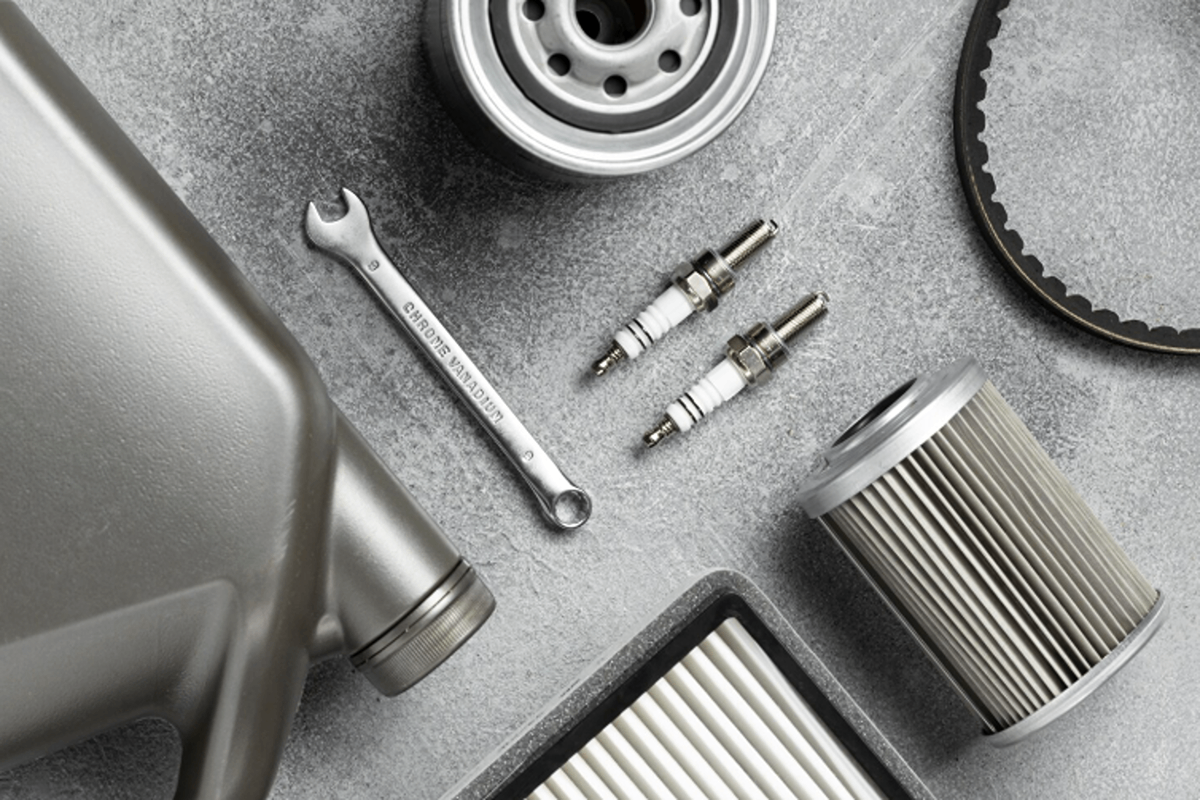
We work directly with insurance companies to help you understand your options. We'll explain what your policy covers and help you make decisions that fit both your needs and your coverage.
If you choose parts not covered by insurance, we'll provide clear estimates for any additional costs. Our goal is to ensure you understand all expenses upfront with no surprises.
Choosing between OEM parts and aftermarket parts doesn't have to be complicated. Here's how we help our customers make this decision:
We guide our customers through this process, providing honest advice based on their individual circumstances. Our local, personal approach means we take time to understand what matters most to you.
Many people believe aftermarket parts are automatically lower quality than OEM parts. This isn't necessarily true. Reputable aftermarket manufacturers produce parts that meet strict quality standards and perform reliably.
Another misconception is that using aftermarket parts will void your vehicle's warranty. While this can be true for some warranty work, collision repairs typically don't affect your manufacturer's warranty, regardless of which parts you choose.
Some drivers worry that aftermarket parts won't fit properly. Quality aftermarket parts are designed to exact specifications and fit just like the original. Poor fit usually indicates a cheap, low-quality part rather than a quality aftermarket option.
The belief that OEM parts always last longer isn't accurate either. Many aftermarket manufacturers use improved materials or designs that can actually outlast original components.
As a locally-owned business, we take pride in providing honest advice about OEM parts and aftermarket parts. We don't push the most expensive option or the cheapest – we recommend what makes sense for your specific situation.
Whatever you opt for, choosing the right auto body technician is crucial. Our Texas Collision Centers promise backs every repair we complete, regardless of whether you choose OEM or aftermarket parts. We stand behind our work and the parts we install because we've carefully evaluated their quality.
We maintain relationships with both OEM suppliers and trusted aftermarket manufacturers. This gives us the flexibility to offer options that meet different budgets and requirements while maintaining our quality standards.
Our team explains the differences clearly, helping you understand the trade-offs involved in each choice. We believe informed customers make better decisions and are happier with their repair experience.
The quality of installation matters just as much as the parts you choose. Even the best OEM parts can fail if installed incorrectly, while quality aftermarket parts perform excellently when properly installed.
At Texas Collision Center, our technicians have the training and experience to install both OEM parts and aftermarket parts correctly. We follow manufacturer specifications and use proper tools and procedures for every installation.
Replace with: "Our commitment to quality extends beyond just parts selection to include every aspect of the collision repair process. From initial damage assessment to final quality checks, we maintain the same high standards regardless of which parts you choose.
Professional installation also includes proper calibration and adjustment of components. Modern vehicles have complex systems that require precise setup to function correctly, and our technicians understand these requirements.
When weighing OEM and aftermarket parts, think beyond the immediate repair. Consider how your choice might affect future maintenance, resale value, and overall vehicle performance.
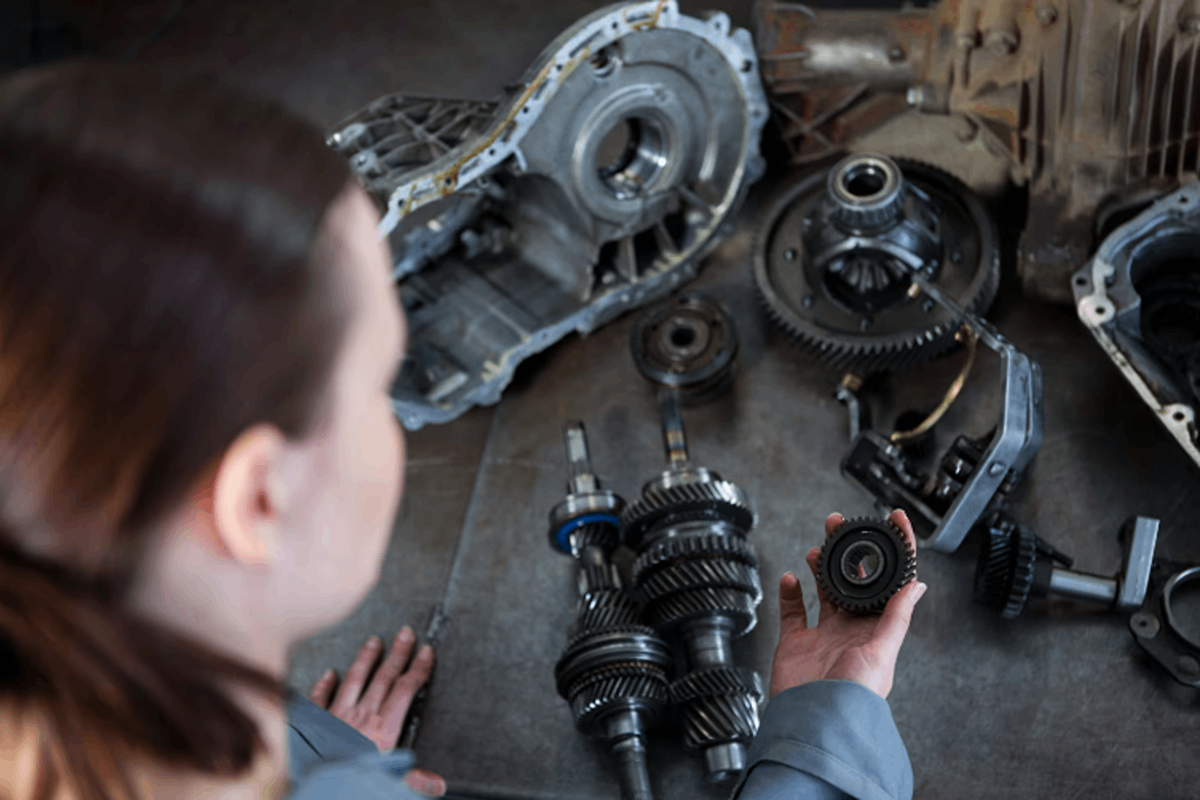
OEM parts typically maintain resale value better, especially for luxury vehicles or newer cars. If you plan to trade or sell your vehicle, this factor might justify the extra cost.
Aftermarket parts can provide excellent long-term value when chosen carefully. Quality aftermarket components often perform just as well as OEM parts throughout the vehicle's remaining life.
Consider the warranty coverage each option provides. A longer warranty on aftermarket parts might provide more value than a shorter OEM warranty, depending on your specific situation.
Insurance adjusters often prefer aftermarket parts for cost control, but they should explain your options clearly. If your policy covers OEM parts for your vehicle type, make sure the adjuster is aware.
We help our customers communicate with their insurance companies about parts choices and understand the insurance car claim process. Our experience working with various insurers helps ensure you get the coverage you're entitled to receive.
If you prefer OEM parts but your insurance only covers aftermarket costs, we'll provide clear estimates for the price difference. This transparency helps you make informed decisions about any out-of-pocket expenses.
Documentation is important when working with insurance companies. We provide free online estimates and explanations that help support your parts choice preferences with your insurer.
Both OEM parts and aftermarket parts can come with warranties, but the terms often differ. OEM parts typically carry the manufacturer's standard warranty, while aftermarket warranties vary by supplier.
At Texas Collision Center, we provide our own warranty on installation and workmanship, as well as a collision repair warranty, regardless of which parts you choose. This means you're covered if any installation-related issues arise.
We carefully track warranty information for all parts we install and help you with warranty claims if needed. Our local presence means you have a reliable contact for any future warranty issues.
Post-repair inspections and quality control are crucial, and they don’t end when you pick up your vehicle. We follow up with customers to ensure satisfaction and address any concerns that might arise after the repair.
The environmental impact of parts manufacturing is becoming increasingly important to many customers. Both OEM and aftermarket manufacturers are working to reduce their environmental footprint.
Some aftermarket manufacturers focus specifically on sustainable practices or use recycled materials in their products. If environmental impact is important to you, we can discuss options that align with your values.
Choosing quality parts that last longer reduces the need for future replacements and repairs, regardless of whether they're OEM or aftermarket. This longevity benefits both your wallet and the environment.
Our commitment to quality repairs means vehicles last longer and perform better, reducing overall environmental impact through extended vehicle life and improved efficiency.
Today's vehicles include complex electronic systems that require precise parts specifications. Both OEM parts and aftermarket parts must integrate properly with these systems to ensure correct operation.
Advanced driver assistance systems, electronic stability control, and other modern features depend on precise sensor placement and calibration. We ensure all parts, regardless of source, maintain these critical specifications.
Some aftermarket manufacturers specialize in developing parts for specific vehicle technologies. These companies often have deep expertise in particular systems and produce excellent alternatives to OEM components.
Our investment in modern diagnostic and calibration equipment ensures we can properly install and set up both OEM and aftermarket parts to work correctly with your vehicle's systems.
Creating a simple cost-benefit analysis helps clarify the decision between OEM parts and aftermarket parts. Consider immediate costs, long-term value, warranty coverage, and your specific priorities.
For example, spending extra on OEM parts might make sense for a two-year-old vehicle you plan to keep for ten more years. The resale value protection and assured quality could justify the higher cost.
Conversely, choosing quality aftermarket parts for a ten-year-old vehicle you'll trade in two years might provide better overall value. The cost savings could outweigh any minor resale value impact.
We help customers work through this analysis, providing honest advice about what makes financial sense for their specific situation.
As a Texas-based collision center, we understand local driving conditions and how they might affect parts performance. Hot weather, humidity, and road conditions can influence how different parts hold up over time.
We stock parts that perform well in Texas conditions and work with suppliers who understand regional requirements. This local knowledge helps us recommend parts that will serve you well in our climate.
Our relationships with local parts suppliers also mean faster availability and better support for both OEM and aftermarket options. This can reduce your repair time and get you back on the road sooner.
Being locally owned means we live and work in the same community as our customers. We see the results of our work around town and take pride in delivering repairs that hold up well over time.
The automotive parts industry continues evolving, with both OEM and aftermarket manufacturers developing new materials and manufacturing processes. These advances benefit consumers through improved quality and performance.
3D printing and advanced materials are beginning to impact parts manufacturing. Some aftermarket companies are leading innovation in these areas, potentially offering advantages over traditional OEM approaches.
Electric and hybrid vehicles are creating new parts categories and requirements. Both OEM and aftermarket manufacturers are adapting to serve these growing vehicle segments.
We stay current with industry trends to ensure we can offer the best options available. Our commitment to ongoing education means our team understands the latest developments in parts technology.
The decision between OEM parts and aftermarket parts ultimately depends on your specific priorities, budget, and circumstances. There's no universal "right" answer that applies to every situation.
What matters most is working with a collision center that provides honest advice and quality installation regardless of which parts you choose. At Texas Collision Center, we're committed to helping you make the best decision for your needs.
We take time to understand your priorities and explain how different options align with your goals. Our local, personal approach means you're not just another claim number – you're a neighbor we want to serve well.
Consider factors like vehicle age, your budget, insurance coverage, future plans, and personal preferences. With good information and professional advice, you can make a choice you'll be happy with long-term.
Different types of repairs may call for different approaches to the OEM parts vs aftermarket parts decision:
We evaluate each repair individually, considering the specific components involved and your preferences. This detailed approach ensures you get the best value and performance for your investment.
Choosing between OEM and aftermarket parts doesn't have to be stressful. At Texas Collision Center, we're here to guide you through the decision with honest, professional advice that puts your interests first.
Our locally-owned business model means we build relationships, not just complete transactions. We'll take the time to understand your needs and explain your options clearly, helping you make the choice
Find your location today and take the first step toward expert service, personalized care, and results you can trust.
Learn more about the collision repair process with insights from the TCC team.


Call us now to schedule your personal estimate
Find A Location


