December 23, 2025
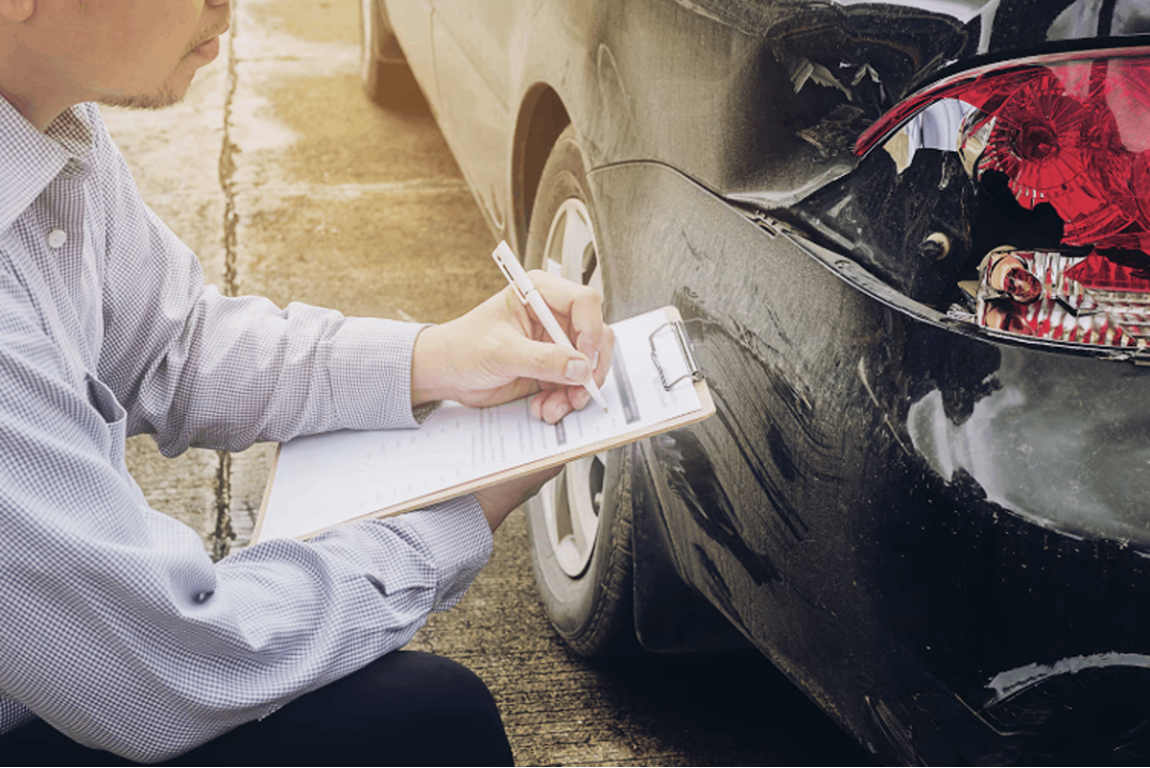
Getting into a car accident is stressful enough without having to worry about whether your insurance company will repair your vehicle or declare it a total loss.
At Texas Collision Centers, we've helped countless customers navigate the complex world of insurance payout for totaled car situations over the years.
Understanding how insurance companies make total loss decisions can help you prepare for what comes next after an accident.
We want to share our knowledge from working with insurance adjusters and helping customers understand their options when facing a potential total loss situation.
When we talk about a totaled car, we're referring to a vehicle that an insurance company has determined is not worth repairing. The technical term is "total loss," and it doesn't necessarily mean your car is completely destroyed or undrivable.
Insurance companies use specific formulas to determine when collision repair costs exceed what makes financial sense. This decision affects your insurance payout for a totaled car and determines whether you'll be looking for a new vehicle or getting your current one repaired.
The total loss threshold varies by state and insurance company, but it typically occurs when repair costs reach 70-80% of the vehicle's actual cash value. Some states set this percentage by law, while others leave it up to individual insurance companies.
Insurance adjusters follow a systematic insurance car claim process when evaluating whether a vehicle should be totaled. They start by assessing the extent of damage and getting repair estimates from approved shops like Texas Collision Centers.
The adjuster then determines your vehicle's actual cash value (ACV) before the accident occurred. This involves researching comparable vehicles in your area, considering factors like age, mileage, condition, and any modifications or upgrades.
Once they have both numbers - repair costs and actual cash value - they apply their company's total loss formula. If the repair costs plus salvage value exceed the ACV by their predetermined percentage, they'll declare it a total loss.
Several key factors can push a vehicle toward total loss status, even when the damage might not look severe to the untrained eye.

Age and depreciation play major roles in total loss decisions. Older vehicles have lower actual cash values, making them more likely to be totaled even with moderate damage. A five-year-old car might be repairable while a fifteen-year-old car with identical damage gets totaled.
Hidden structural damage often tips the scales toward total loss. What appears to be minor exterior damage might involve frame issues, airbag deployment, or damage to critical safety systems that significantly increase repair costs.
Parts availability and costs also factor into the equation. Luxury vehicles or older models with expensive or hard-to-find parts are more likely candidates for total loss declarations.
Pre-existing damage, like scratches that devalue a car or poor vehicle condition, can reduce the ACV, making total loss more likely. Insurance companies only pay for accident-related damage, but overall vehicle condition affects the total loss calculation.
Understanding how insurance companies evaluate total loss claims helps you know what to expect during this process.
This process typically takes several days to a few weeks, depending on the complexity of the damage and the availability of parts pricing information.
When your insurance company declares your vehicle a total loss, you'll receive an insurance payout for your totaled car based on one of several settlement approaches.
Actual cash value settlements represent the most common type. You receive the vehicle's depreciated value at the time of the accident, minus your deductible. This amount should reflect what you could have sold the car for in its pre-accident condition.
Replacement cost coverage provides enough money to purchase a similar vehicle in today's market. This coverage costs more but protects you from depreciation losses. Not all insurance policies include this option.
Gap insurance payouts cover the difference between what you owe on your loan and the actual cash value settlement. This protection is crucial for newer vehicles or those financed with small down payments.
The insurance payout depends on several factors that insurance companies evaluate systematically.
Your vehicle's actual cash value forms the foundation of the settlement. Insurance companies research recent sales of comparable vehicles in your area, considering make, model, year, mileage, and condition.
Any outstanding loan balance affects your net payout. If you owe more than the ACV, you might face a shortfall unless you have gap coverage.
Your deductible gets subtracted from the settlement amount. If your ACV is $15,000 and you have a $500 deductible, you'll receive $14,500 before considering any loan payoffs.
You don't have to accept the first settlement offer from your insurance company. We've seen many customers successfully negotiate higher insurance payout amounts by presenting additional evidence.
Research comparable vehicle sales in your area using resources like Kelley Blue Book, Edmunds, or AutoTrader. Document any recent maintenance, repairs, or upgrades that add value to your vehicle.
If your car had aftermarket additions like custom wheels, sound systems, or performance modifications, gather receipts and documentation. Standard insurance policies might not cover these items without specific endorsements.
Consider getting an independent appraisal if you believe the insurance company's valuation is too low. Professional appraisers can provide documentation supporting a higher actual cash value.
Sometimes you might want to keep your totaled vehicle, especially if the damage is primarily cosmetic or you have a sentimental attachment to the car.
Insurance companies will typically allow you to retain the salvage, but they'll deduct the salvage value from your settlement. This means you'll receive less money but keep ownership of the vehicle.
You'll need to understand your state's requirements for retitled salvage vehicles. Most states require salvage titles and inspections before these vehicles can return to the road legally.
Consider repair costs carefully before keeping a totaled vehicle. Understanding whether you're dealing with structural or cosmetic damage is crucial, as hidden issues might make repairs more expensive than the reduced settlement amount you'll receive.
The timeline for receiving your insurance payout varies based on several factors, but understanding typical timeframes helps set expectations.
Most total loss settlements conclude within two to four weeks from the initial claim filing, assuming no major disputes arise over valuation or coverage issues.
Even when your vehicle gets totaled, working with experienced collision repair professionals like Texas Collision Centers provides valuable benefits throughout the process.
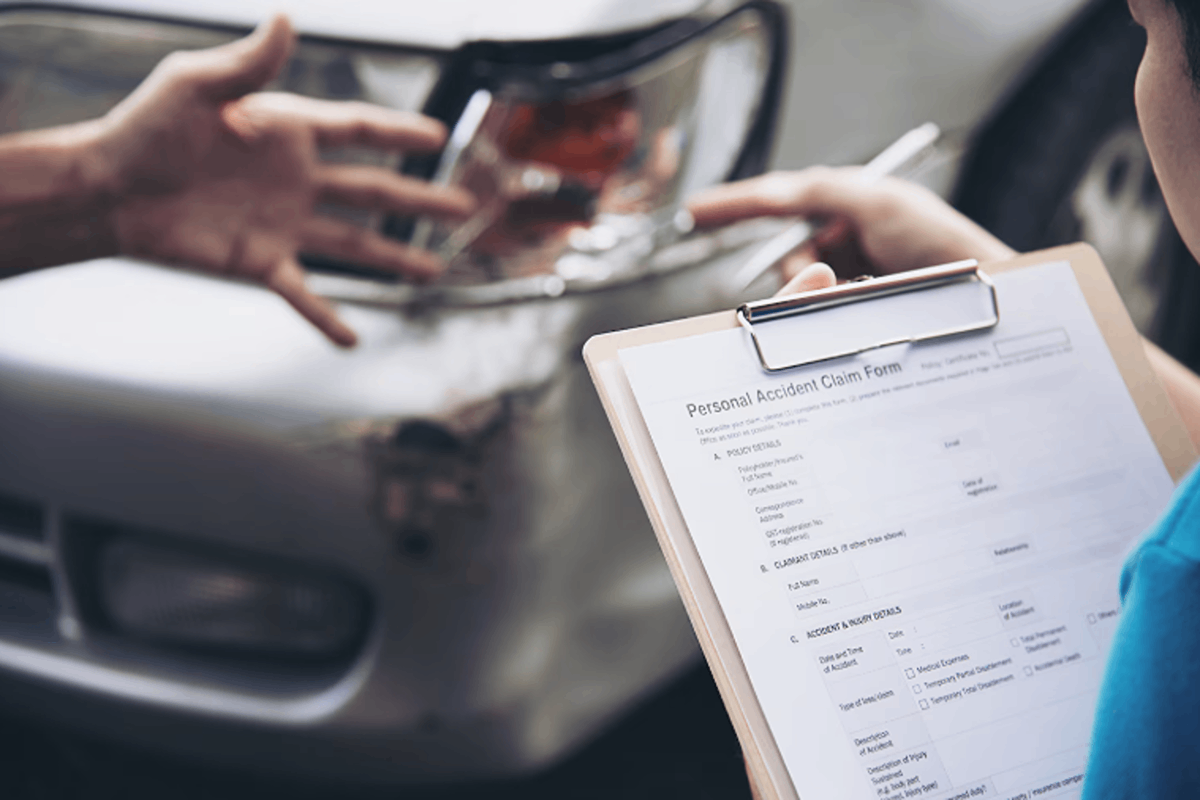
We can review insurance company damage assessments and repair estimates to ensure nothing gets overlooked. Our experience and understanding of collision repair trends and innovations help identify potential issues that might affect your settlement amount.
Our relationships with insurance adjusters mean we can communicate effectively about repair costs and feasibility. This professional dialogue often helps reach fair settlements more quickly.
If you're considering keeping a salvage vehicle, we can provide honest assessments about repair feasibility and costs. Our Texas Collision Centers promise means we'll give you straight answers about whether repairs make financial sense.
Total loss regulations vary by state, affecting how insurance companies handle settlements and what options you have as a consumer.
Some states mandate specific total loss thresholds, while others allow insurance companies to set their own standards. Understanding your state's requirements helps you know your rights during the settlement process.
Certain states provide additional consumer protections, such as mandatory independent appraisal rights or specific timeframes for settlement payments.
Texas drivers should understand that our state allows insurance companies flexibility in total loss determinations, making it even more important to work with knowledgeable professionals who understand local practices.
While you can't prevent accidents, you can prepare for potential total loss situations to protect your financial interests.
Review your insurance coverage regularly to ensure adequate protection. Consider gap coverage if you're financing or leasing, especially with minimal down payments.
Keep detailed records of your vehicle's maintenance, repairs, and modifications. This documentation supports higher valuations if total loss occurs.
Understand your insurance policy's actual cash value provisions and consider replacement cost coverage if available and appropriate for your situation.
Document your vehicle's condition with photos and maintenance records. This evidence helps during settlement negotiations if disputes arise over the pre-accident condition.
Watch for warning signs that might indicate problems with your insurance payout settlement process.
If you encounter these issues, consider seeking help from experienced professionals or your state's insurance commissioner's office.
When settlement negotiations reach an impasse, several options exist for resolving disputes over insurance payout for totaled car amounts.
Many insurance policies include appraisal clauses that allow independent evaluation of disputed settlements. This process typically involves each party selecting an appraiser, with those appraisers choosing an umpire if they disagree.
State insurance departments often provide mediation services for consumer disputes. These services are typically free and can help resolve disagreements without formal legal proceedings.
Throughout any dispute resolution process, maintaining detailed documentation from post-repair inspections and quality control measures can strengthen your position if repairs were already attempted.
Some situations might require legal consultation, particularly when significant amounts are disputed or when insurance companies act in bad faith during settlement negotiations.
If your totaled vehicle has an outstanding loan, the settlement process involves additional steps and considerations.

Insurance companies typically pay lenders directly for the outstanding loan balance before releasing remaining funds to you. This process requires coordination between multiple parties and can extend settlement timelines.
Understand that you remain responsible for any loan balance exceeding the insurance settlement amount unless you have gap coverage. This shortfall obligation continues even though you no longer have the vehicle.
Communication with your lender throughout the process helps ensure smooth settlement processing and prevents potential issues with late payments during the claim period.
Working with properly trained and certified technicians like Texas Collision Centers provides valuable support even when your vehicle ultimately gets totaled.
We can review initial damage assessments and repair estimates to ensure accuracy and completeness. Our experience helps identify potential issues that adjusters might miss during initial evaluations.
Our professional relationships with insurance companies facilitate better communication throughout the evaluation process. This collaboration often leads to more thorough assessments and fair settlements.
When customers are considering keeping salvage vehicles, we provide honest evaluations about repair feasibility and costs. Our hometown approach means we prioritize your best interests over potential repair revenue.
Dealing with insurance companies after a major accident shouldn't be something you face alone. At Texas Collision Centers, we bring decades of experience working with insurance adjusters and helping customers understand their options when facing potential total loss situations.
Our hometown approach means we take time to explain the process and advocate for fair treatment throughout your claim. Whether your vehicle gets repaired or totaled, we're here to help you understand what's happening and why.
Don't let insurance companies rush you through important decisions about your vehicle and settlement. Contact Texas Collision Centers today for honest advice and professional support. Find our locations and speak with our experienced team about your collision claim.
Actual insurance payouts and settlement amounts vary based on individual policy terms, vehicle condition, and local market factors.
Learn more about the collision repair process with insights from the TCC team.


Call us now to schedule your personal estimate
Find A Location


