December 22, 2025
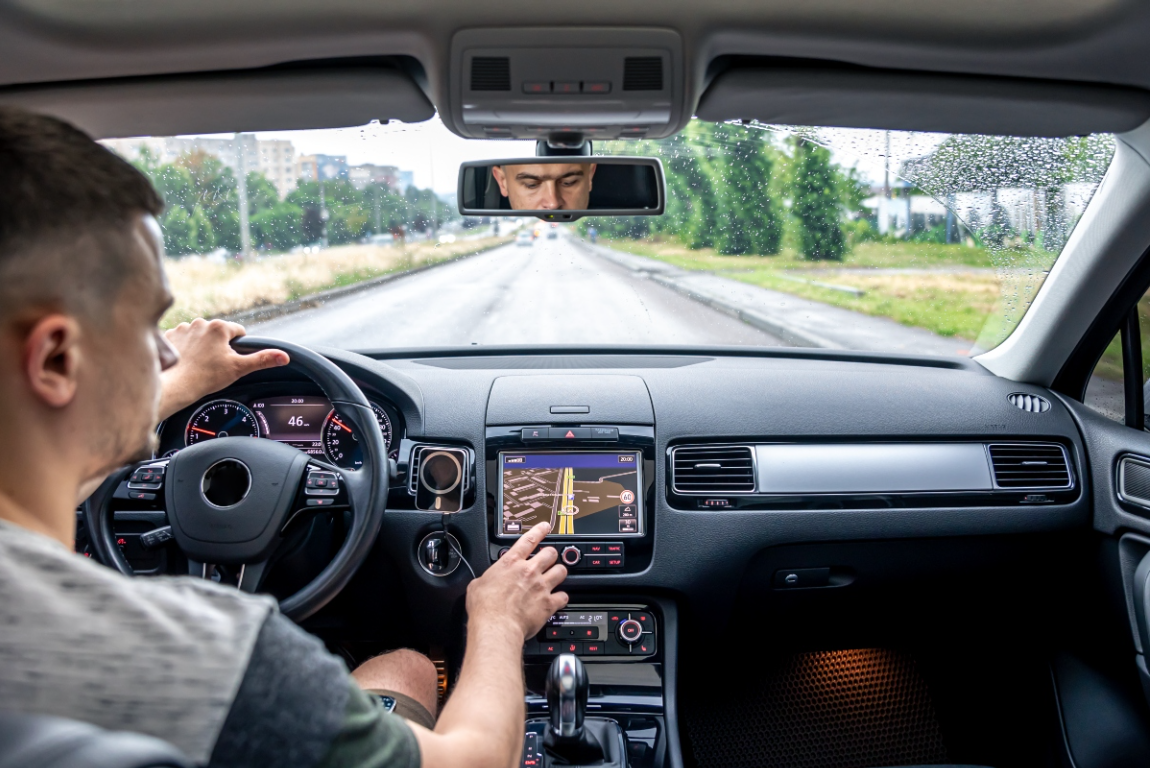
Modern vehicles are getting smarter every year. They come packed with advanced safety features that help prevent accidents and protect drivers. But when your car gets into a collision, these high-tech systems need special attention during repairs.
At Texas Collision Center, we've seen firsthand how important it is to properly handle these advanced driver assistance systems during the repair process. What ADAS calibration is isn't just a technical question - it's about making sure your vehicle's safety features work correctly when you drive off our lot.
Advanced Driver Assistance Systems, or ADAS, are the smart safety features in modern vehicles. These systems use cameras, sensors, and radar to monitor your surroundings and help prevent accidents.
You might already be familiar with some of these features without even knowing they're part of ADAS. Lane departure warning, automatic emergency braking, blind spot monitoring, and adaptive cruise control are all examples of ADAS technology.
These systems work together to create a safety net around your vehicle. They can alert you to potential dangers, help you stay in your lane, and even apply the brakes if they detect an imminent collision.
ADAS calibration is the process of precisely adjusting and aligning these advanced safety systems after a collision repair. Think of it like tuning a musical instrument - everything needs to be perfectly aligned for the system to work correctly.
When your vehicle is in an accident, even minor damage can affect the positioning of cameras and sensors. A camera that's moved just a few millimeters can cause your lane departure system to malfunction or your automatic emergency braking to activate at the wrong time.
During calibration, we use specialized equipment to ensure each sensor and camera is positioned exactly where the manufacturer intended. This process requires specific tools, software, and extensive training to perform correctly.
The importance of ADAS calibration after a collision is immense. Your safety depends on these systems working perfectly. A miscalibrated ADAS can be dangerous - it might not warn you when you need it most, or worse, it could activate unexpectedly and cause an accident.
Insurance companies and vehicle manufacturers require proper ADAS calibration after collision repairs. Without it, you might face liability issues if your safety systems don't work correctly.
At Texas Collision Center, we understand that our collision repair warranty extends to making sure every safety system in your vehicle functions as designed. We don't just fix the visible damage - we ensure your car is as safe as it was before the accident.
Modern vehicles can have numerous ADAS features that need attention after a collision. Here are the most common systems we calibrate at our facility:
Each system has specific calibration requirements. Some need static calibration in a controlled environment, while others require dynamic calibration through actual driving tests.
When you bring your vehicle to Texas Collision Center, we follow a comprehensive process to ensure proper ADAS calibration:

Understanding the difference between static and dynamic calibration helps explain why the process can take time and requires specialized equipment.
Static calibration happens in our shop using precise positioning equipment and manufacturer-specific targets. Your vehicle must be positioned exactly according to specifications, and we use specialized tools to align cameras and sensors.
Dynamic calibration requires actual driving under specific conditions. This might involve driving at certain speeds, following specific routes, or performing particular maneuvers until the system learns and adjusts itself.
Some vehicles require both types of calibration. Others might need only one type, depending on which systems were affected by the collision and subsequent repairs.
Attempting to skip ADAS calibration or having it done improperly can create serious safety risks. These systems are designed to protect you and your family, but they only work when calibrated correctly.
At Texas Collision Center, we invest in the latest calibration equipment and ongoing training for our technicians. We understand that ADAS calibration isn't just about following procedures - it's about ensuring your safety on the road.
Our hometown approach means we take the time to explain the process and answer your questions. We're not a large chain trying to rush vehicles through the system. We're your local collision repair experts who stand behind our work with the Texas Collision Centers promise.
Some repair shops might try to save time or money by skipping proper ADAS calibration. This creates several serious problems:
Sometimes you might notice signs that your ADAS systems need attention:
If you notice any of these issues after collision repairs, contact us immediately. These symptoms often indicate calibration problems that need professional attention.
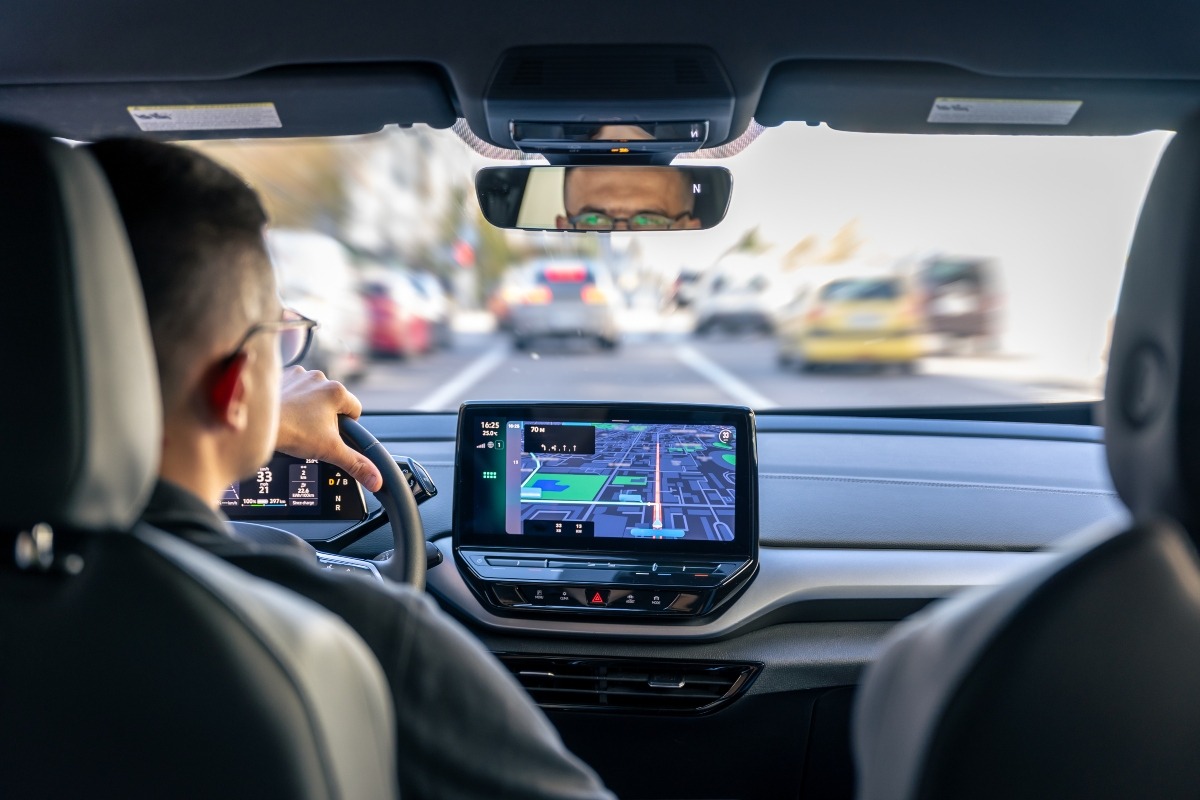
Texas Collision Center stays current with rapidly evolving ADAS technology. We regularly update our equipment and training to handle the latest vehicle models and safety systems.
Our technicians receive ongoing education about new ADAS technologies and calibration procedures. We maintain relationships with vehicle manufacturers and equipment suppliers to ensure we have access to the latest information and tools.
When you choose us for collision repair, you're choosing a team that understands the importance of properly functioning safety systems. We combine technical expertise with our hometown commitment to quality and honesty.
Most insurance companies recognize the importance of proper ADAS calibration and will cover the cost as part of collision repairs. However, it's important to work with a repair shop that understands insurance requirements and can properly document the calibration process.
We work directly with insurance companies to ensure proper coverage for ADAS calibration. Our detailed documentation and adherence to manufacturer specifications help streamline the insurance claim process and ensure you receive the coverage you deserve.
ADAS technology continues to evolve rapidly. New vehicles come with increasingly sophisticated safety systems that require specialized knowledge and equipment to calibrate properly.
At Texas Collision Center, we prepare for these changes by investing in ongoing training and equipment updates. We understand that staying current with ADAS technology isn't optional - it's essential for providing safe, quality collision repairs.
As vehicles move toward higher levels of automation, proper calibration becomes even more critical. We're committed to staying ahead of these changes to continue serving our community with the highest standards of safety and quality.
Don't compromise on safety when it comes to your vehicle's advanced driver assistance systems. At Texas Collision Centers, we combine technical expertise with our hometown commitment to quality and honesty.
Our team understands what ADAS calibration means for your safety and takes every step necessary to ensure your vehicle's safety systems work perfectly. We back every repair with the Texas Collision Centers promise - your guarantee of exceptional service and quality.
Visit our location page to find the Texas Collision Center nearest you and schedule your ADAS calibration service.
Pricing for ADAS calibration services varies based on vehicle make, model, and specific systems requiring calibration.
Learn more about the collision repair process with insights from the TCC team.


Call us now to schedule your personal estimate
Find A Location


