April 15, 2026
.jpg)
When you're involved in a vehicle collision, even a seemingly minor fender-bender, the immediate focus often centers on visible damage like dents, scratches, or broken lights. However, some of the most serious consequences happen beneath the surface, where your vehicle's frame may have sustained damage that compromises both safety and performance.
At Texas Collision Center, we've restored over 300,000 vehicles throughout our years serving North Texas, and our experience has taught us that signs of frame damage are often subtle and easy to overlook. What appears as a minor inconvenience today could signal serious structural problems that put you and your passengers at risk.
Frame damage represents one of the most critical yet frequently missed consequences of vehicle accidents. Unlike cosmetic damage that's immediately visible, frame compromise can manifest gradually, sometimes weeks or months after the initial collision. Understanding how to recognize these warning signs could prevent dangerous driving conditions and save you from costly long-term problems.
Your vehicle's frame serves as the backbone of your car, truck, or SUV. This structural foundation supports every component from the engine and suspension to the safety systems designed to protect you during an accident. When this critical structure becomes compromised, it affects everything from basic handling to the effectiveness of airbags and crumple zones.
Modern vehicles use either unibody construction or traditional body-on-frame design. Unibody vehicles integrate the frame and body into a single structure, while body-on-frame vehicles have a separate chassis that supports the body. Regardless of your vehicle's construction, frame damage can occur in any collision that generates sufficient force.
The challenge with frame damage lies in its often invisible nature. While you can easily spot a damaged bumper or scratched door, frame compromise typically occurs in areas you can't readily see without proper inspection equipment and expertise.
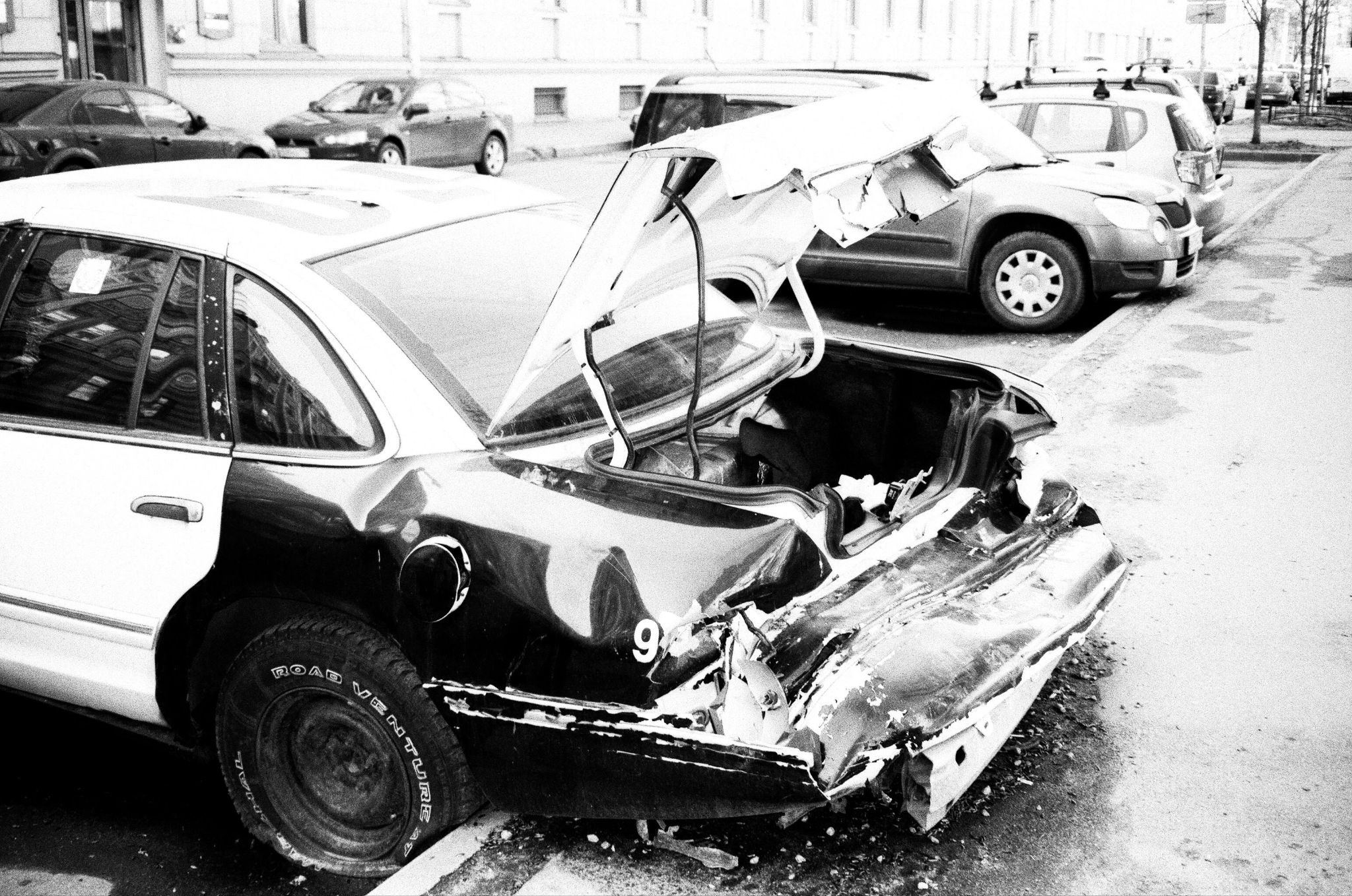
One of the most common signs of frame damage involves problems with doors, windows, and other moving parts. If your doors suddenly require extra force to close properly, won't latch securely, or create unusual gaps when shut, the frame may have shifted during your collision.
Windows that no longer roll up or down smoothly, or that bind and stick during operation, often indicate frame distortion. These alignment issues occur because even small changes in frame geometry can affect the precise tolerances required for proper door and window function. We also offer window and glass repair if the frame damage affected the windows too much.
We've seen countless customers dismiss these symptoms as minor annoyances, only to discover significant frame compromise during professional inspection. What seems like a simple door adjustment often reveals underlying structural damage that requires immediate attention.
Your vehicle's steering system relies on precise frame geometry to function correctly. When frame damage occurs, you'll typically notice changes in how your vehicle handles and responds to steering inputs.
Steering pull represents one of the most obvious symptoms. If your vehicle consistently pulls to one side while driving on straight roads, frame damage could be the culprit. This pulling occurs when the frame no longer maintains proper wheel alignment geometry.
Unusual vibrations through the steering wheel, particularly at highway speeds, often indicate frame distortion that affects suspension mounting points. These vibrations may feel different from typical tire imbalance or alignment issues, creating a more pronounced shaking that seems to originate from the vehicle's core structure.
Frame damage frequently manifests through abnormal tire wear patterns that develop over time. When your vehicle's frame loses its structural integrity, it affects wheel alignment in ways that cause tires to wear unevenly. Calibration will be necessary in this situation.
Look for excessive wear on the inside or outside edges of your tires, cupping patterns, or significantly different wear rates between tires on the same axle. These patterns develop because frame damage prevents your suspension system from maintaining proper tire contact with the road surface.
Unlike normal tire wear that occurs gradually and evenly, frame damage creates rapid, uneven wear that can reduce tire life by thousands of miles. More importantly, these wear patterns compromise traction and handling, creating dangerous driving conditions.
Frame damage often creates visible evidence in the form of uneven gaps between body panels, bumpers, and other exterior components. These gaps occur because frame distortion changes the mounting points that support body panels.
Check the spacing between your hood and fenders, doors and door frames, and bumpers and adjacent panels. Consistent gap spacing indicates proper frame alignment, while uneven or unusual gaps suggest structural problems.
Panel misalignment can also affect the safety system function. Airbag sensors, crumple zone effectiveness, and other safety features depend on proper structural integrity to function as designed during a collision.
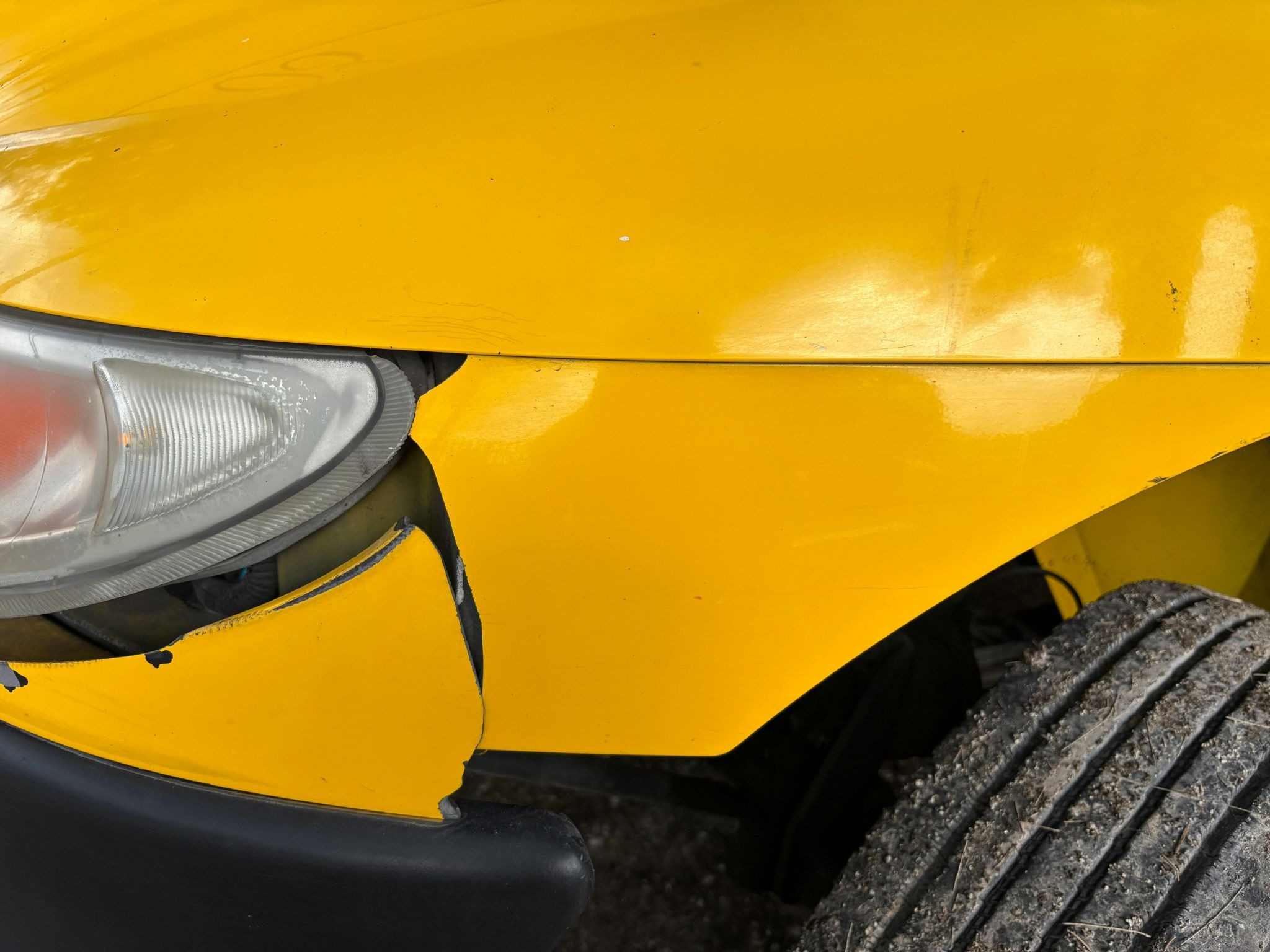
While you can identify many signs of frame damage through careful observation, comprehensive assessment requires professional expertise and specialized equipment. At Texas Collision Center, our frame inspection process utilizes precision measurement tools that can detect microscopic deviations from manufacturer specifications.
Our certified technicians understand that frame damage assessment goes far beyond visual inspection. We use computerized measuring systems that compare your vehicle's current dimensions to exact factory specifications, identifying problems that might not become apparent for months or years.
This professional assessment becomes particularly crucial because frame damage can affect vehicle safety in ways that aren't immediately obvious. Compromised crumple zones, altered airbag deployment geometry, and weakened structural integrity all create serious safety risks that only trained professionals can properly evaluate.
While professional inspection remains essential, you can perform preliminary checks to identify potential frame damage symptoms:
Remember that these self-inspection steps can help identify obvious problems, but they cannot replace professional assessment using proper diagnostic equipment.
Understanding when signs of frame damage typically appear helps you stay alert for developing problems:
Many vehicle owners hold misconceptions about frame damage that can lead to delayed repairs and dangerous driving conditions:
Compromised frame integrity creates serious safety risks that extend far beyond handling problems or tire wear. Your vehicle's safety systems depend on proper structural geometry to function effectively during a collision.
Airbag deployment timing and direction rely on precise sensor placement and structural integrity. Frame damage can alter these critical factors, potentially reducing airbag effectiveness when you need protection most.
Crumple zones designed to absorb collision energy may not function properly when frame damage has already weakened structural components. This compromised protection could result in more severe injuries during subsequent accidents.
Additionally, frame damage often affects suspension mounting points, brake system alignment, and steering component geometry. These changes can create unpredictable handling characteristics that increase accident risk during emergency maneuvers.
Understanding various types of frame damage helps you recognize specific symptoms and communicate effectively with repair professionals:
Modern frame damage assessment requires sophisticated equipment that most vehicle owners don't have access to. We use computerized measuring systems that create three-dimensional maps of your vehicle's structure, comparing current measurements to manufacturer specifications with millimeter precision.
These diagnostic tools can identify damage that might not manifest symptoms for months, allowing us to address problems before they compromise safety or create expensive secondary damage. Our technicians combine this advanced technology with decades of hands-on experience restoring damaged vehicles.
Laser measurement systems, hydraulic gauges, and computer-assisted analysis provide the accuracy necessary to detect even subtle frame compromise. This precision ensures that repairs restore your vehicle to factory specifications rather than simply addressing obvious problems.
Ignoring early signs of frame damage typically leads to significantly higher repair costs over time. What might initially require minor frame straightening can evolve into major structural rebuilding if left unaddressed.
Progressive tire wear alone can cost hundreds or thousands of dollars annually, while premature suspension component failure adds additional expense. More seriously, compromised safety systems may fail during subsequent accidents, creating liability and insurance complications.
Early detection and repair generally cost far less than addressing the cumulative damage that results from driving with compromised frame integrity. Professional assessment soon after any collision helps identify problems while they remain manageable and affordable.
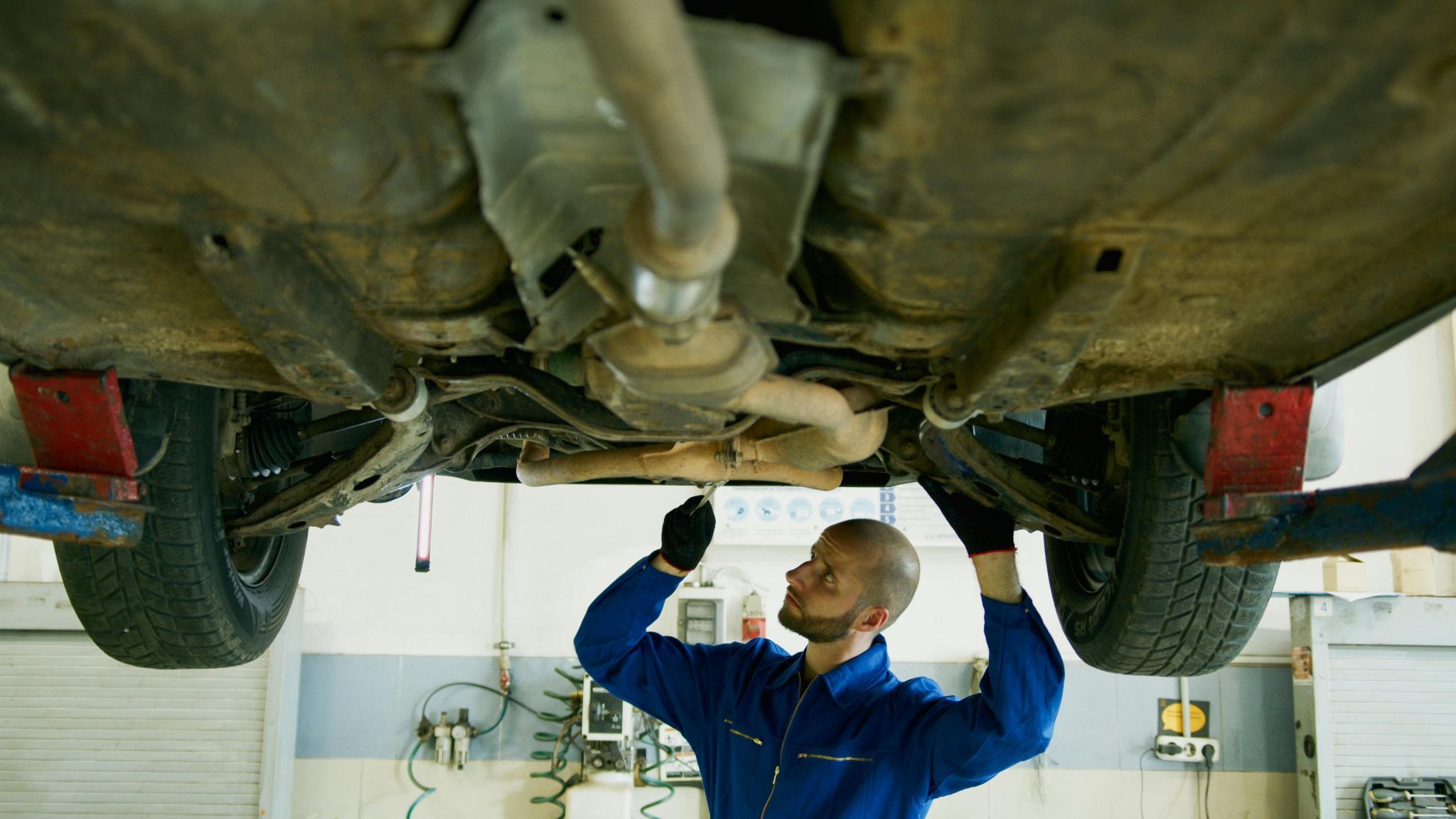
While you can't prevent collision damage, understanding how to recognize early warning signs helps minimize long-term consequences. Regular inspection of your vehicle for new gaps, alignment changes, or handling differences allows early detection of developing problems.
Maintain detailed records of any collisions, no matter how minor they appear. Insurance companies and repair facilities benefit from a complete accident history when assessing potential frame damage. Photography of your vehicle before and after any incident provides valuable documentation.
Consider professional frame inspection after any collision that involves impact to your vehicle's structure, even if no immediate damage is apparent. The cost of professional assessment represents a small investment compared to the potential consequences of undetected frame damage.
Certain symptoms require immediate professional attention:
These symptoms suggest frame damage that could compromise safety or lead to additional component failure. Professional assessment and repair should take priority over continued driving.
Recognizing signs of frame damage after any collision represents one of the most important steps you can take to protect yourself, your passengers, and other drivers. At Texas Collision Center, our experience with over 300,000 vehicle restorations has taught us that early detection and proper repair make the difference between safe, reliable transportation and potentially dangerous driving conditions.
Frame damage doesn't always announce itself with obvious symptoms. The subtle signs we've discussed, from minor door misalignment to gradual tire wear patterns, often indicate serious structural problems that require professional attention. Our precision measurement tools and certified technicians can identify even microscopic deviations from manufacturer specifications before they compromise your safety.
Don't let seemingly minor post-collision symptoms put you at risk. Find a location near you and contact us today for a comprehensive frame inspection and a professional assessment that ensures your vehicle maintains the structural integrity necessary for safe operation.
Learn more about the collision repair process with insights from the TCC team.


Call us now to schedule your personal estimate
Find A Location


