April 7, 2026
.jpg)
At Texas Collision Centers, we understand that knowing what to do after a minor car accident can mean the difference between a smooth resolution and costly complications down the road. As a family-owned collision repair center with over 300,000 vehicles repaired throughout North Texas, we have witnessed firsthand how proper post-accident procedures protect both drivers and their vehicles.
Even the most careful drivers can find themselves in unexpected situations on the road. When a minor collision occurs, the stress and confusion can cloud your judgment, making it difficult to think clearly about the necessary steps to protect yourself legally and financially.
Our experienced team regularly guides accident victims through the critical steps following minor collisions, from proper documentation techniques to understanding insurance claim processes. We know that what appears to be a simple fender bender can sometimes hide more serious damage beneath the surface.
The moments immediately following an accident are crucial for establishing a clear record of what happened and ensuring everyone's safety. Taking the right steps can save you time, money, and potential legal headaches later on.
Safety should always be your primary concern after any collision, regardless of how minor it appears. The adrenaline rush following an accident can mask injuries and impair your ability to assess the situation clearly.
First, check yourself and your passengers for injuries. Even if you feel fine initially, shock and adrenaline can mask pain and symptoms that may appear later. If anyone reports pain or discomfort, call emergency services immediately.
If the vehicles are blocking traffic and can be moved safely, pull them to the side of the road or onto the shoulder. Turn on your hazard lights to alert other drivers to the situation. This simple step prevents secondary accidents that could be far more serious than the original collision.
When exiting your vehicle, be aware of traffic around you. Many accident scenes become more dangerous due to distracted drivers trying to see what happened. Stay alert and move quickly to a safe location away from moving traffic.
If the accident is more serious than initially thought, or if you suspect the other driver is under the influence of alcohol or drugs, call 911 immediately. Trust your instincts! It's better to err on the side of caution when it comes to safety.
Once you have ensured everyone's safety, it's time to begin the documentation process. This is where many drivers make critical mistakes that can affect their insurance claims and legal protection later.
Determine whether you need to call law enforcement. While some states don't require police reports for minor accidents with no injuries, having an official report can be invaluable for insurance purposes. In Texas, you must report accidents that result in injury, death, or property damage exceeding $1,000.
Even for seemingly minor collisions, we recommend calling the police. An official report provides an unbiased third-party account of the incident, which can be crucial if disputes arise later about fault or the extent of damage.
Gather essential information from all parties involved in the accident. This information will be critical for your insurance claim and any potential legal proceedings.
Here's what you need to collect:
Be courteous but avoid discussing fault or admitting responsibility. Stick to the facts about what you observed, and let the insurance companies and authorities determine fault based on the evidence.
Proper documentation is crucial for what to do after a minor car accident. Take photos from multiple angles showing the damage to all vehicles involved, the accident scene, street signs, traffic signals, and road conditions.
Don't rely solely on your smartphone's camera. Take wide shots to show the overall scene and close-up shots to capture specific damage details. These photos will be invaluable when filing your insurance claim.

Through our years of experience helping accident victims, we have observed several common mistakes that can complicate the claims process and cost drivers significant money.
Many drivers fail to call the police for minor accidents, thinking they can handle everything through their insurance companies. However, without an official report, it becomes much harder to establish fault if the other party later changes their story about what happened.
Another frequent mistake is not taking enough photos. We recommend taking at least 20-30 photos from various angles, including shots of the vehicles' positions, damage, license plates, and the surrounding area. You can always delete unnecessary photos later, but you can't go back and capture images once you leave the scene.
Drivers often forget to document weather and road conditions, which can be important factors in determining fault. Note whether the road was wet, dry, under construction, or if visibility was impaired by weather conditions.
Never leave the scene without getting the other driver's insurance information, even if they claim they don't want to involve insurance companies. This information is essential for protecting yourself if hidden damage is discovered later.
Contact your insurance company as soon as possible after the accident, preferably while still at the scene. Most insurance companies have 24-hour claim reporting hotlines, and prompt notification can speed up the claims process.
When speaking with your insurance representative, stick to the facts about what happened. Avoid speculating about fault or discussing your opinions about the other driver's actions. Provide the information you gathered at the scene and let the insurance adjuster draw conclusions.
Your insurance company will assign a claim number and adjuster to your case. Write down this information and keep it handy for future reference. The adjuster will guide you through the next steps in the claims process.
Be prepared to provide a recorded statement about the accident. This is standard procedure, and your insurance company will use this information to process your claim and coordinate with the other driver's insurance company.
One of the biggest mistakes drivers make after a minor accident is assuming that visible damage tells the whole story. At Texas Collision Center, our certified craftsmen specialize in identifying hidden damage that often goes unnoticed in seemingly minor accidents.
Modern vehicles are designed with crumple zones and safety features that can absorb impact energy, sometimes hiding structural damage beneath the surface. What looks like a simple bumper scratch might actually involve damage to sensors, mounting brackets, or safety systems.
We recommend having your vehicle professionally inspected even after minor collisions. Our comprehensive damage assessment can identify issues that might not become apparent until weeks or months later, when repair costs could be significantly higher.
Frame damage is one of the most serious concerns with any collision. Even low-speed impacts can bend or twist the vehicle's frame, fender, or bumper, affecting its structural integrity and safety performance in future accidents.
Modern vehicles contain numerous sensors and electronic systems that can be damaged in minor collisions. Backup cameras, parking sensors, airbag sensors, and collision avoidance systems are all vulnerable to damage that might not be immediately apparent. These often need to be recalibrated.
Suspension components can also be affected by seemingly minor impacts. Bent control arms, damaged struts, or misaligned wheels can cause premature tire wear and handling problems that compromise vehicle safety.
What sets Texas Collision Center apart in post-accident scenarios is our comprehensive approach to minor collision damage assessment and repair. We understand that insurance adjusters might miss subtle damage during their initial inspections, and we work to ensure nothing is overlooked.
Our team provides detailed damage documentation that can be crucial for insurance claims. We photograph and document all damage, including hidden issues that might not be visible to untrained eyes. This thorough approach protects you from being responsible for pre-existing damage claims in the future.
We also assist with insurance communication, helping you understand your coverage options and ensuring that all necessary repairs are included in your claim. Our experience with insurance procedures helps streamline the process and reduce stress during an already difficult time.
Different types of insurance coverage apply to different aspects of accident damage and expenses. Understanding your coverage helps you make informed decisions about repairs and ensures you don't pay out of pocket for expenses that should be covered.
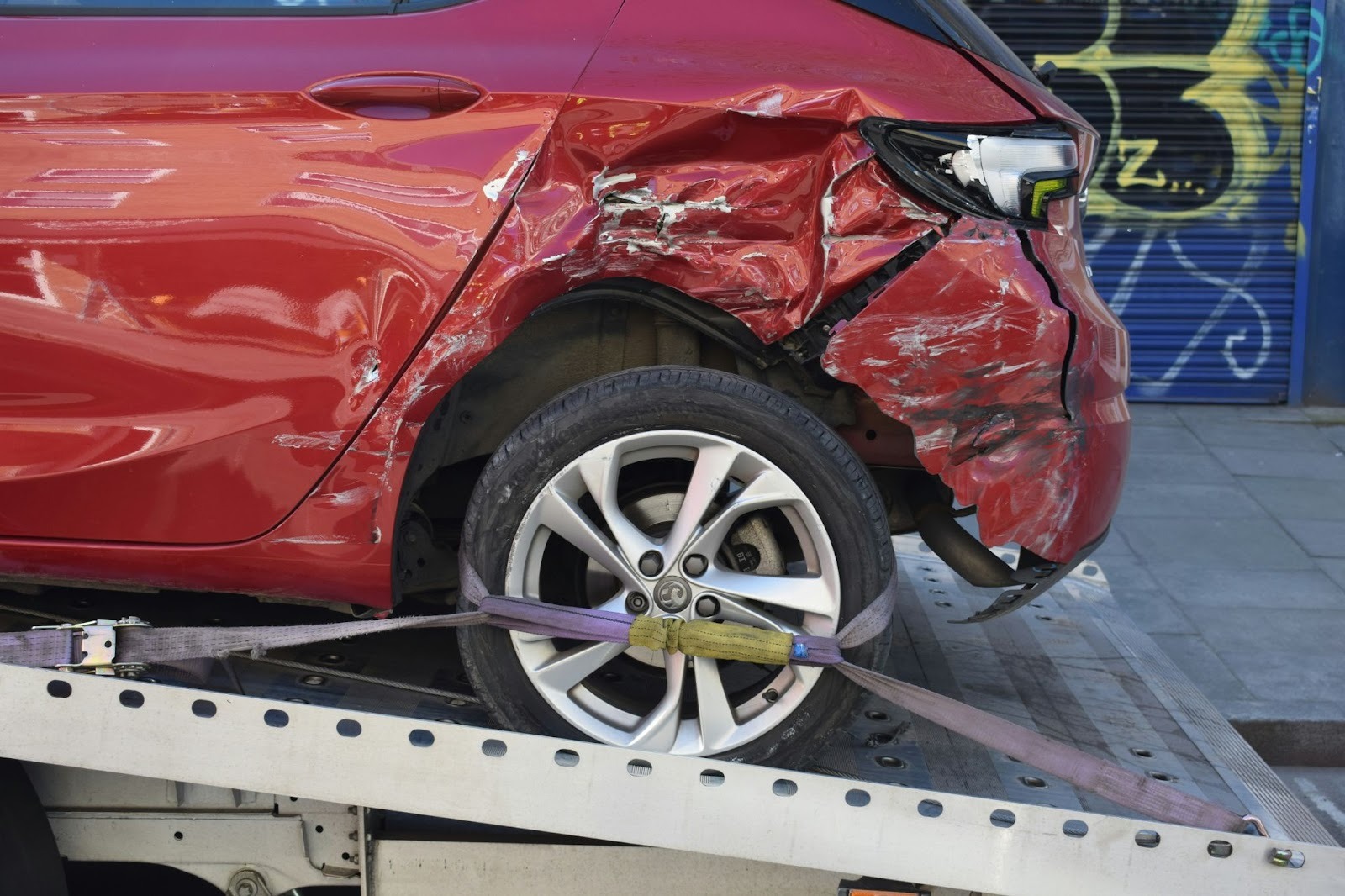
Proper documentation protects you legally and financially throughout the claims process. Insurance companies rely on documentation to determine fault, assess damage, and process claims fairly.
Even with proper documentation, insurance claims can face challenges that delay resolution or reduce settlements. Understanding these potential issues helps you prepare and respond appropriately.
While we can't prevent all accidents, we can take steps to be better prepared for future incidents. Keep an accident kit in your vehicle with essential items for documenting accidents and staying safe.
Your accident kit should include:
Regular vehicle maintenance can also prevent accidents and reduce their severity when they do occur. Properly maintained brakes, tires, and lights help you avoid accidents and perform better during emergency situations.
Consider taking a defensive driving course to improve your accident avoidance skills. Many insurance companies offer discounts for completing these courses, and the skills you learn can help prevent future accidents.
Choosing the right collision repair center is crucial for ensuring quality repairs that maintain your vehicle's safety and value. At Texas Collision Center, our commitment to transparency and honest communication proves invaluable when drivers face the stress and confusion following even minor accidents.
We provide clear guidance on immediate post-accident priorities while offering professional assessments that help drivers make informed decisions about their vehicle's repair needs. Our team understands that every accident situation is unique, and we tailor our approach to meet your specific needs.
Our lifetime guarantee backing every repair gives you confidence that the work will be done right the first time. We use only high-quality parts and materials, and our certified craftsmen follow manufacturer specifications to ensure your vehicle is restored to its pre-accident condition.
We also work directly with insurance companies to streamline the claims process and ensure that all necessary repairs are covered. Our experience with insurance procedures helps prevent delays and ensures that nothing is overlooked during the repair process.
Even after repairs are completed, it's important to monitor your vehicle for any issues that might develop. Some collision-related problems don't become apparent until the vehicle has been driven for several weeks or months after repairs.
Keep detailed records of all repairs and maintain regular service schedules to ensure that any developing issues are caught early. If you notice unusual noises, handling problems, or warning lights after collision repairs, have your vehicle inspected immediately.
Proper collision repairs should restore your vehicle to its pre-accident safety and performance levels. If you experience ongoing problems after repairs, don't hesitate to contact your repair facility to address these concerns.
Document any ongoing issues related to your accident and repairs. This information can be important for warranty claims or if additional insurance coverage becomes necessary.
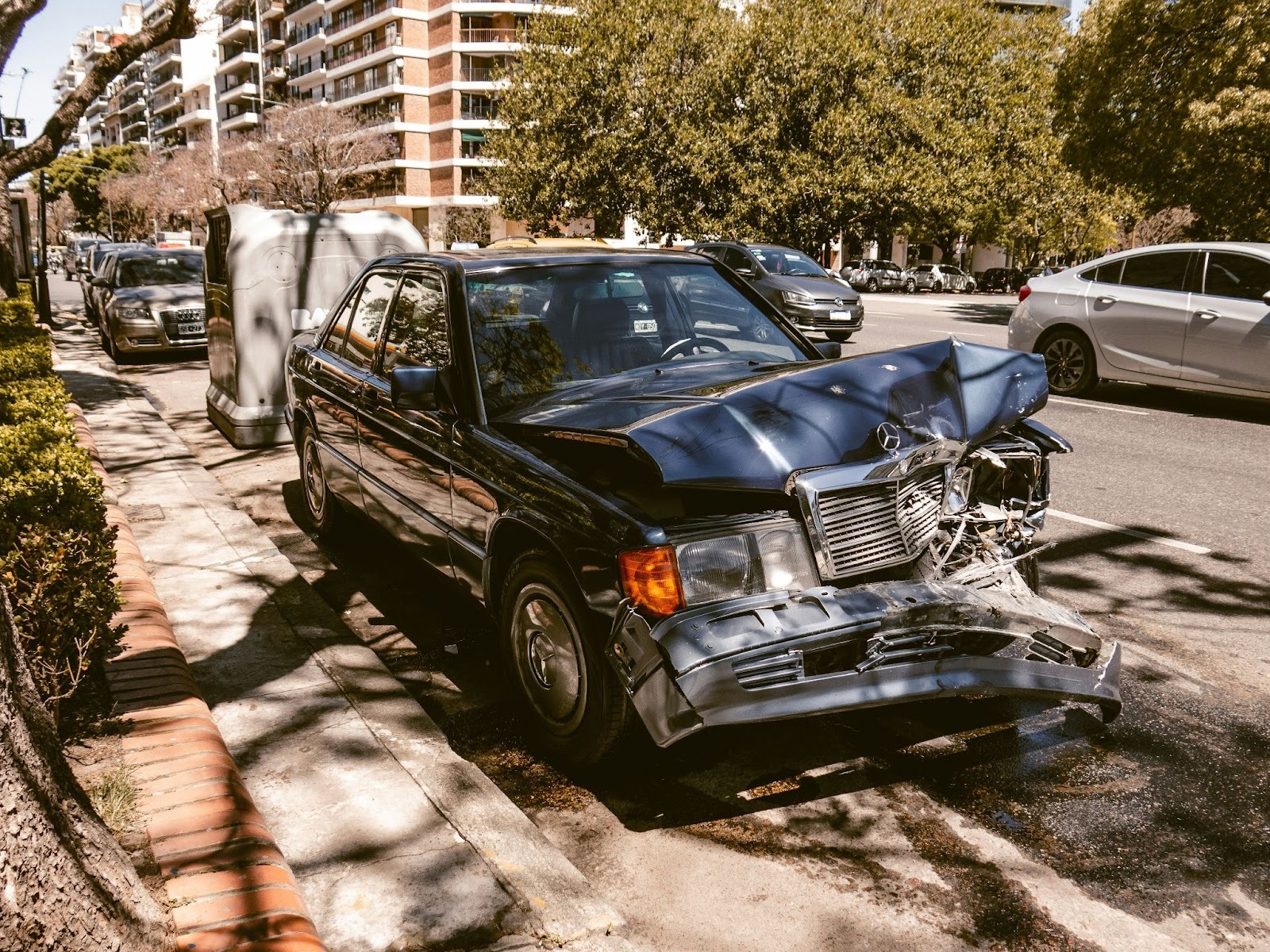
Knowing what to do after a minor car accident is just the first step in protecting yourself and your vehicle. At Texas Collision Center, we're here to guide you through every aspect of the post-accident process, from damage assessment to complete repairs.
Our experienced team understands the stress and confusion that follows even minor collisions, and we're committed to making the recovery process as smooth as possible. With locations throughout North Texas, professional damage assessments, and a lifetime guarantee on all repairs, we're your trusted partner in accident recovery.
Don't let hidden damage from a minor accident become a major problem later. Explore our North Texas locations and call the one nearest you for a comprehensive damage assessment and expert guidance through your insurance claim process.
Learn more about the collision repair process with insights from the TCC team.


Call us now to schedule your personal estimate
Find A Location


