March 25, 2026

When drivers find themselves overwhelmed at an accident scene, having a comprehensive car accident checklist can make the difference between a smooth recovery process and weeks of complications. At Texas Collision Center, we've repaired over 300,000 vehicles throughout North Texas, and we've seen firsthand how proper post-accident procedures significantly impact both the repair process and insurance claims outcomes.
Our experienced team of certified craftsmen regularly works with customers who wish they had been better prepared when their accident occurred. That's why we've created this definitive car accident checklist to guide you through those crucial first moments and beyond, ensuring you're equipped with the knowledge that can save you time, money, and stress.
The moments immediately following a car accident can feel chaotic and overwhelming. However, your safety and the safety of others should always be your top priority. Before you think about insurance calls or damage assessment, focus on these critical safety steps:
Once you've addressed immediate safety concerns, follow this systematic approach to document the accident properly. These steps form the foundation of your car accident checklist and directly impact how smoothly your repair and insurance claim processes will proceed.
Call 911 even for minor accidents. While some states don’t require police reports for minor fender-benders, having an official report is invaluable for insurance claims and legal protection. The responding officer creates an objective record of the incident, which insurance companies and repair shops like Texas Collision Center find extremely helpful.
When speaking with the dispatcher, provide your exact location, the number of vehicles involved, and whether anyone appears injured. Stay on the line until told it’s okay to hang up, as additional information may be needed.
Gather complete information from all parties involved in the accident. This information exchange is a critical component of your car accident checklist that can prevent delays in your repair process later.
Essential information to collect includes:
Proper documentation at the scene can expedite your insurance claim and help collision repair specialists provide more accurate estimates and efficient repairs.
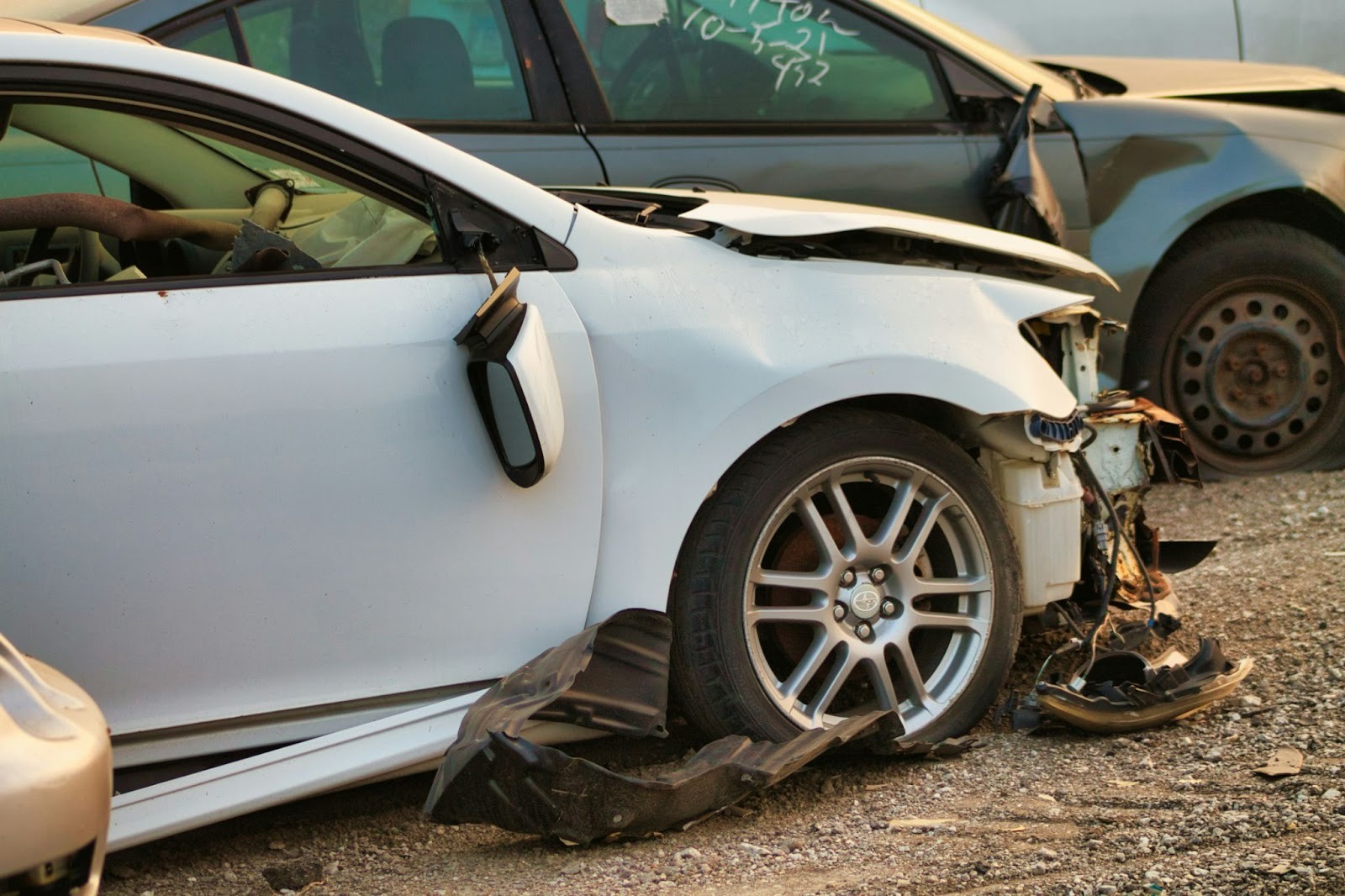
The information you collect at the accident scene directly influences how efficiently we can begin the repair process at Texas Collision Center. Having worked with thousands of accident victims, we’ve identified the most crucial details:
Different insurance companies have varying requirements for claim processing, but gathering comprehensive information upfront can prevent delays regardless of your insurer. Take photos of all insurance cards at the scene to ensure you have clear, readable information, even if handwritten notes become illegible later.
Contact your insurance company as soon as possible after the accident, ideally while still at the scene if it’s safe. Many insurers have 24-hour claim reporting hotlines, and prompt reporting can expedite the claims process significantly.
After leaving the accident scene, several important steps remain on your checklist. These post-accident procedures significantly impact both your insurance settlement and the quality of repairs.
Even if you feel fine, consider seeing a doctor within 24-48 hours. Some injuries, especially soft tissue damage, may not show symptoms immediately. Document any medical visits, including symptoms, treatments, and medical expenses, as this information may be relevant to your insurance claim.
Review your insurance policy to understand your coverage limits, deductibles, and any exclusions that might apply to your situation. If you have questions about your coverage, don't hesitate to ask your insurance representative for clarification.
Consider whether you have rental car coverage, as collision repairs can sometimes take several days or weeks, depending on the extent of damage and parts availability. At Texas Collision Center, we work closely with insurance companies to provide realistic timelines for repairs, helping you plan accordingly.
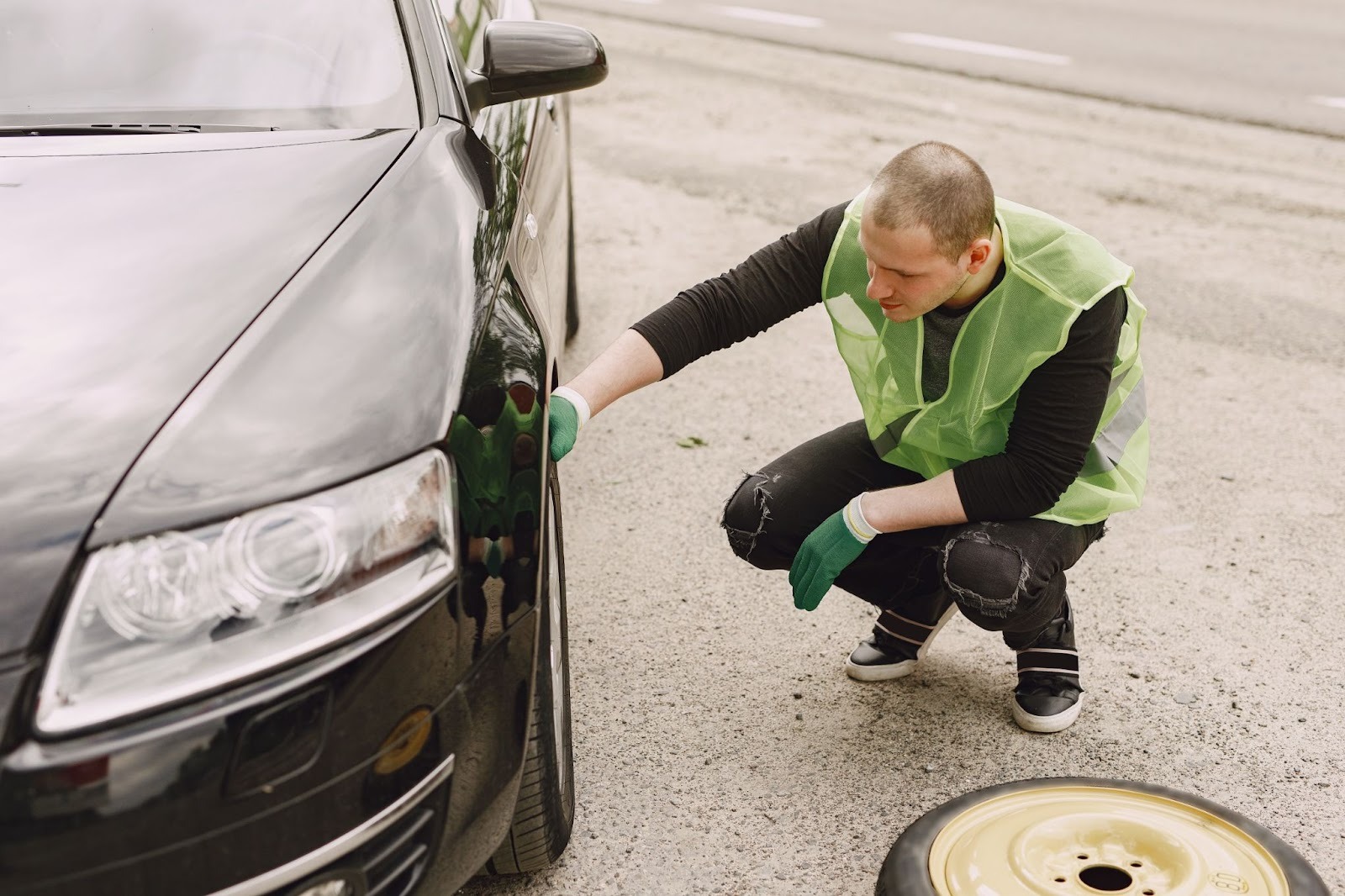
Selecting the right collision repair facility can significantly impact both the quality of repairs and your overall experience. While insurance companies may provide a list of preferred shops, remember that you typically have the right to choose where your vehicle is repaired.
At Texas Collision Center, our certified craftsmen and lifetime guarantee on repairs reflect our commitment to quality workmanship that restores vehicles to pre-accident condition.
Consider the shop's relationship with insurance companies. Established repair facilities often have direct relationships with major insurers, which can streamline the approval process and reduce delays in getting your repairs started.
Create a physical or digital car accident checklist that you can access quickly when needed. Store this information in your glove compartment, on your phone, or in another easily accessible location.
Your personalized car accident checklist should include:
Maintaining a well-stocked emergency kit in your vehicle can make a stressful accident situation much more manageable and ensure you have everything you need to follow your car accident checklist effectively.
Your kit should include:
Being prepared with these essentials ensures you can document the scene thoroughly, stay safe, and communicate effectively with authorities, other drivers, and repair professionals.
Through our experience repairing hundreds of thousands of vehicles, we've observed mistakes that often complicate repairs and insurance claims. Avoiding these pitfalls can save time, money, and stress:
Thorough documentation is directly linked to smoother repair processes and faster insurance approvals. Customers who arrive with comprehensive photos, detailed incident notes, and organized insurance information typically experience fewer delays and more accurate estimates.
Proper documentation:
Modern smartphones provide powerful tools that can enhance accident documentation significantly:
We know that accidents handled with proper preparation and documentation lead to better outcomes. Our team works closely with customers to understand exactly what happened to their vehicle, allowing us to provide accurate estimates and effective repairs.
Every accident is unique, so we provide personalized guidance to help drivers understand what information is most important for collision repair specialists. Our certified craftsmen use the documentation you provide to ensure every aspect of accident-related damage is addressed.
We treat every customer like family, explaining the repair process and supporting you from initial assessment through final delivery. Properly repairing your vehicle is only part of recovering from an accident, and we strive to make that process as smooth as possible.

A comprehensive car accident checklist is your first line of defense when the unexpected happens, but having a trusted collision repair partner makes all the difference. We've helped hundreds of thousands of North Texas drivers return to the road with confidence through expert repairs and personalized service.
Don't wait until after an accident to establish a relationship with a quality collision repair facility. Contact our team today to learn more about our services, meet our certified craftsmen, and see why we stand behind every repair with a lifetime guarantee.
Ready to connect with the most trusted collision repair experts? Find your location and experience the Texas Collision Center difference for yourself.
Learn more about the collision repair process with insights from the TCC team.


Call us now to schedule your personal estimate
Find A Location


