Your brakes are not something to gamble on. When you hear squealing, feel a vibration when you stop, or notice your brakes just don't bite like they used to, it's time to have them checked. Texas Collision Centers inspects, services, and repairs brakes and suspension with the precision of a shop that automakers certify — so you can trust that when you hit the pedal, your car stops the way it should.
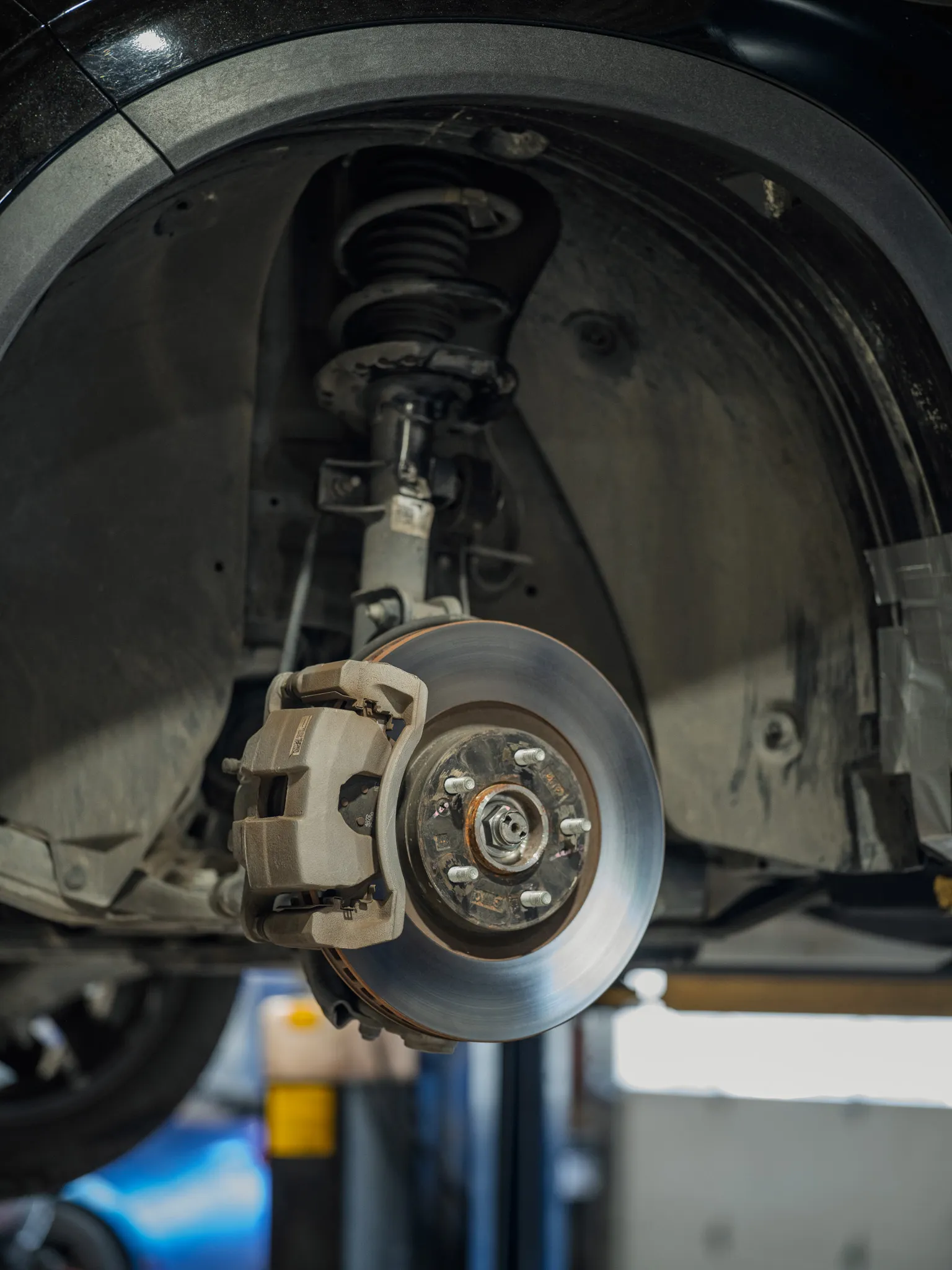
We handle every part of your braking system: brake pads, rotors, calipers, brake fluid, and lines. Whether you need a simple pad replacement or a full brake job, our technicians use quality parts and established repair procedures to complete the repair properly. And we always start with an honest inspection, so you only pay for what your vehicle actually needs.
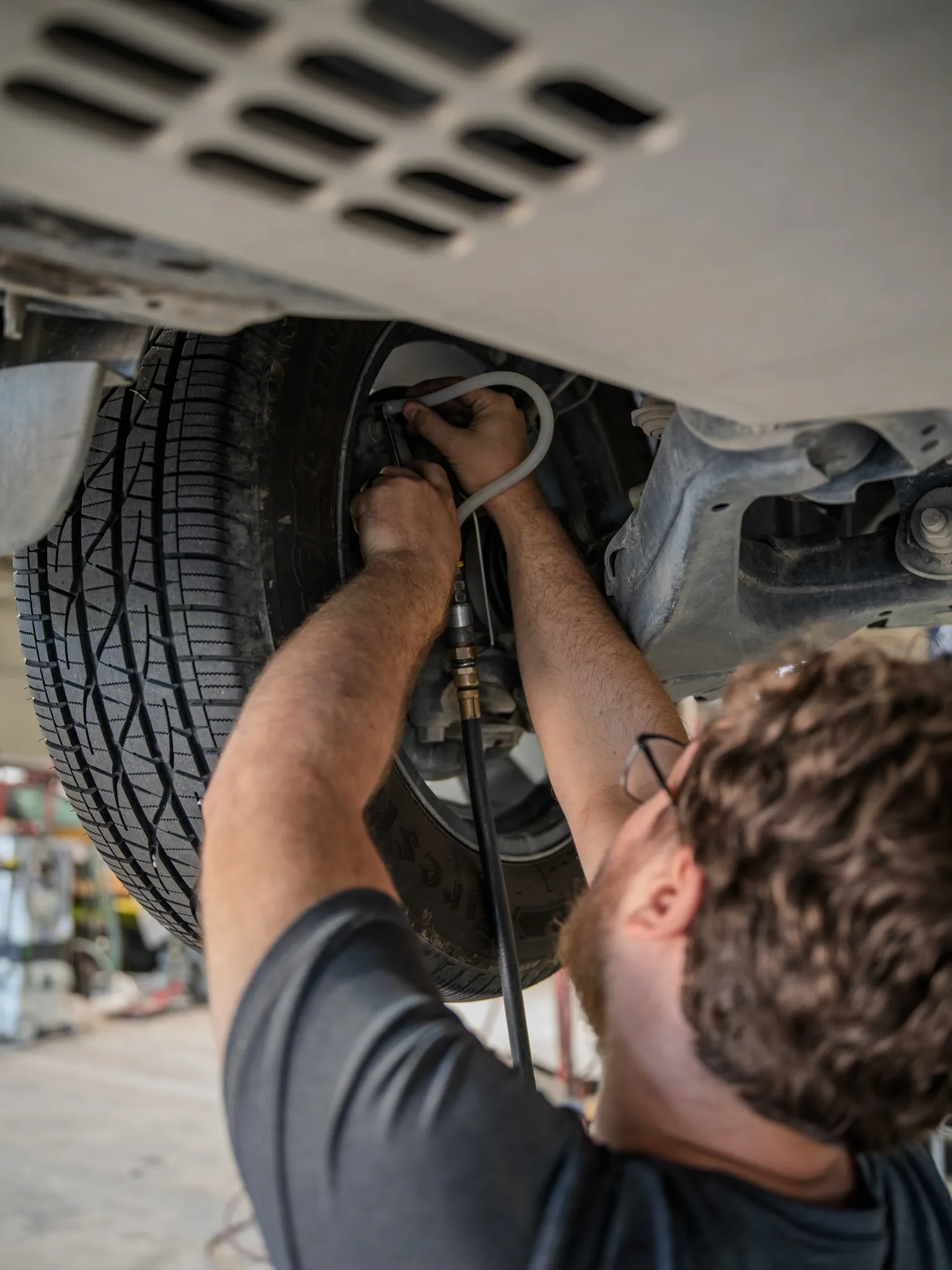
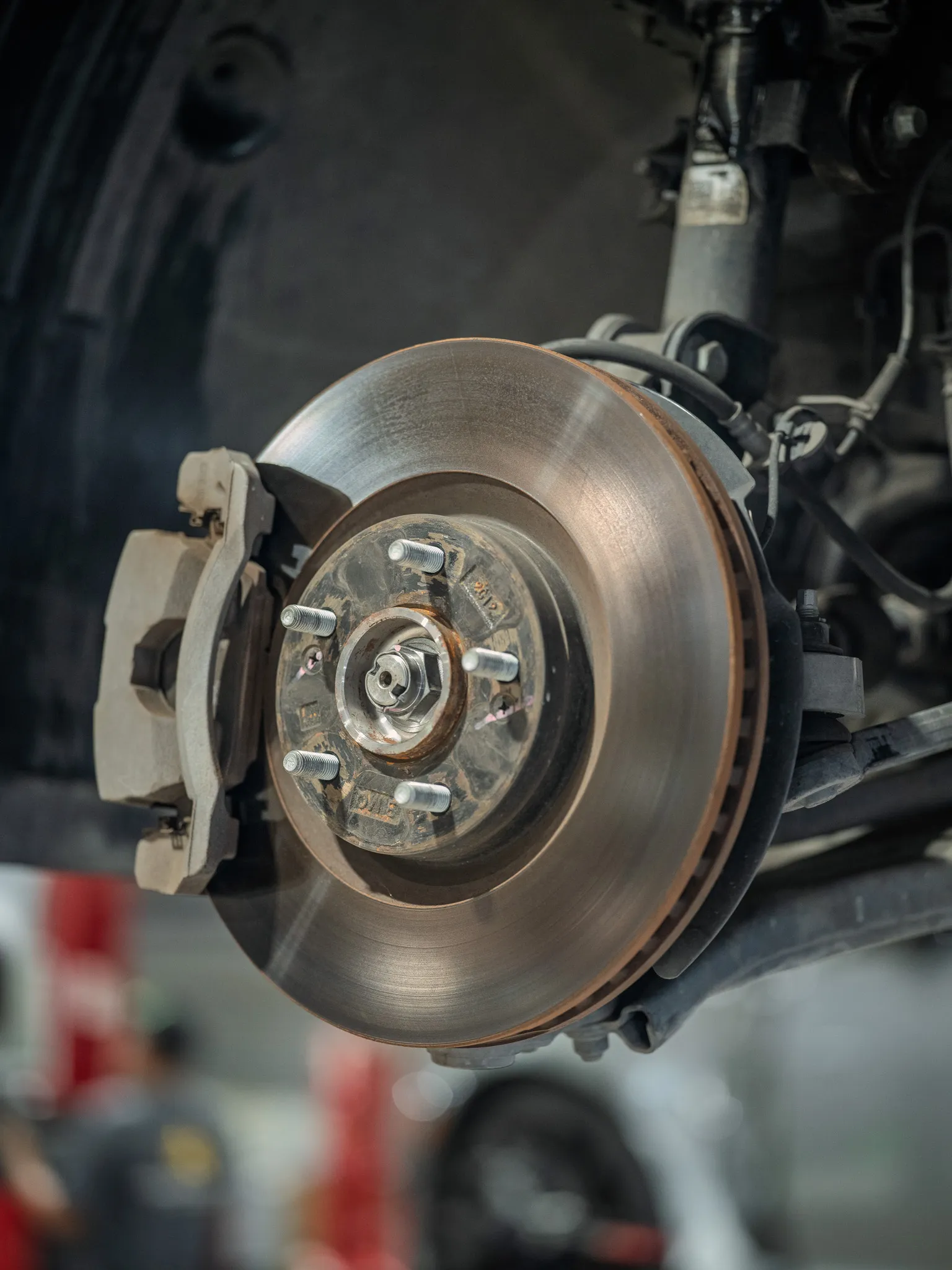
Don't ignore these: squealing or grinding when you brake, a vibration or pulsing through the pedal, a soft or spongy pedal, your car pulling to one side when stopping, or a dashboard brake warning light. Any of these means it's time for an inspection. Prompt inspection can help prevent additional wear and identify safety concerns before they become more serious.
Your suspension is what keeps your ride smooth and your tires planted on the road. Worn shocks and struts don't just make for a bumpy ride — they lengthen your stopping distance and wear your tires unevenly. We inspect and repair shocks, struts, and steering components to keep your vehicle safe, stable, and comfortable.
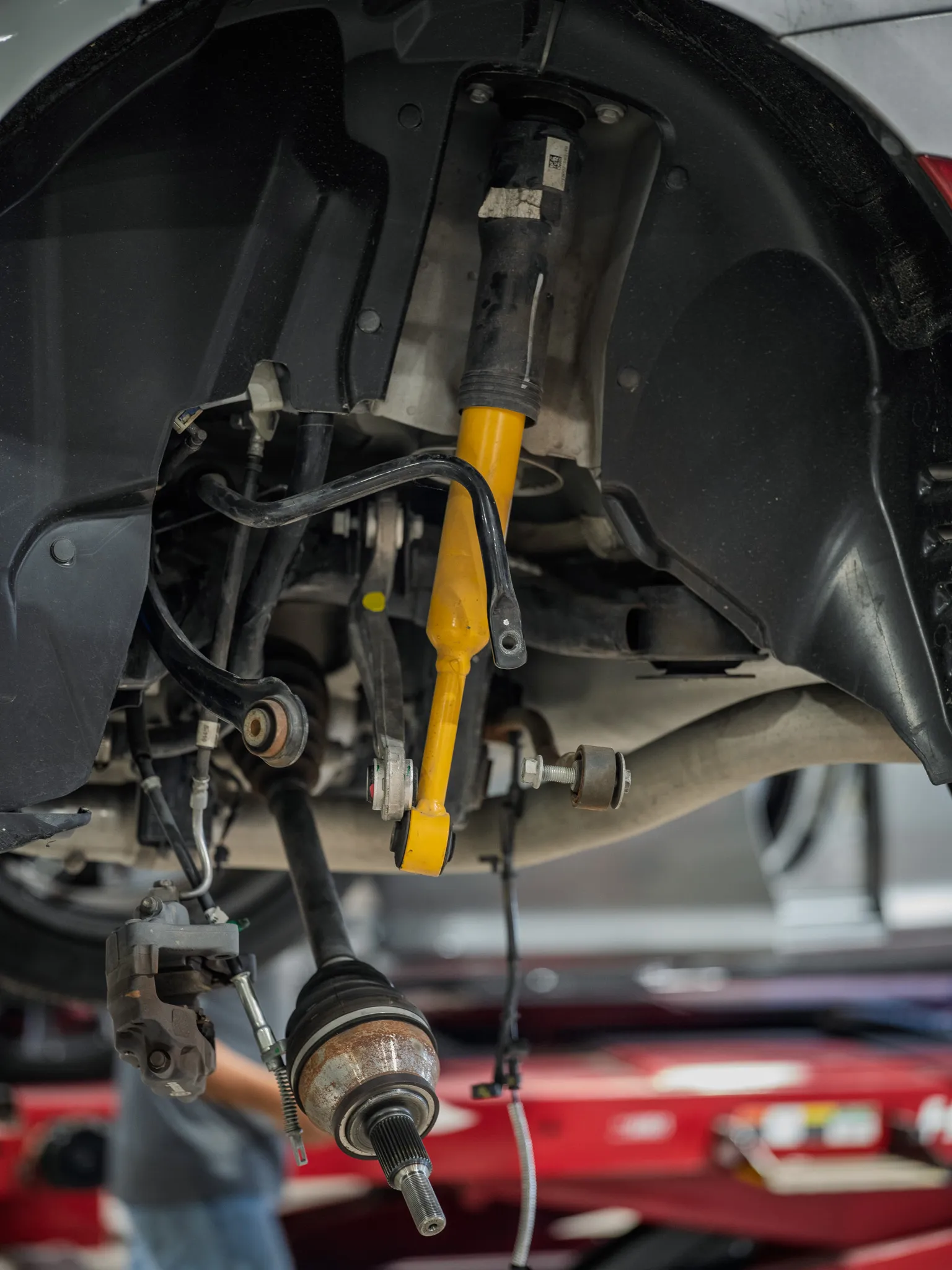
Not sure if you need brakes yet? Bring your vehicle in for a brake inspection and we'll give you a straight answer — no pressure, no scare tactics, just an honest assessment from technicians you can trust.

The most common signs are squealing or grinding noises, a vibration or pulsing in the brake pedal, a soft or spongy pedal, longer stopping distances, or a brake warning light. If you notice any of these, have your brakes inspected right away — worn brakes are a safety risk.
Most brake pads last between 30,000 and 70,000 miles, but it varies widely with driving style and conditions. Stop-and-go city driving wears pads faster than highway miles. An inspection allows us to measure remaining friction material and evaluate the condition of the braking system.
Squealing is often an early warning that pads are wearing thin. Grinding usually means the pads are gone and metal is contacting your rotors — that's unsafe and causes expensive damage. Have grinding brakes inspected as soon as possible.
Depending on what your vehicle needs, brake service can include new pads, resurfaced or replaced rotors, caliper service, and a brake-fluid check. We inspect first and only recommend the parts your vehicle actually requires.
Yes. Worn shocks and struts affect handling, stopping distance, and tire wear. We inspect and repair suspension components alongside your brakes for complete stopping-system safety.

Your hometown collision repair centers.


