December 15, 2025
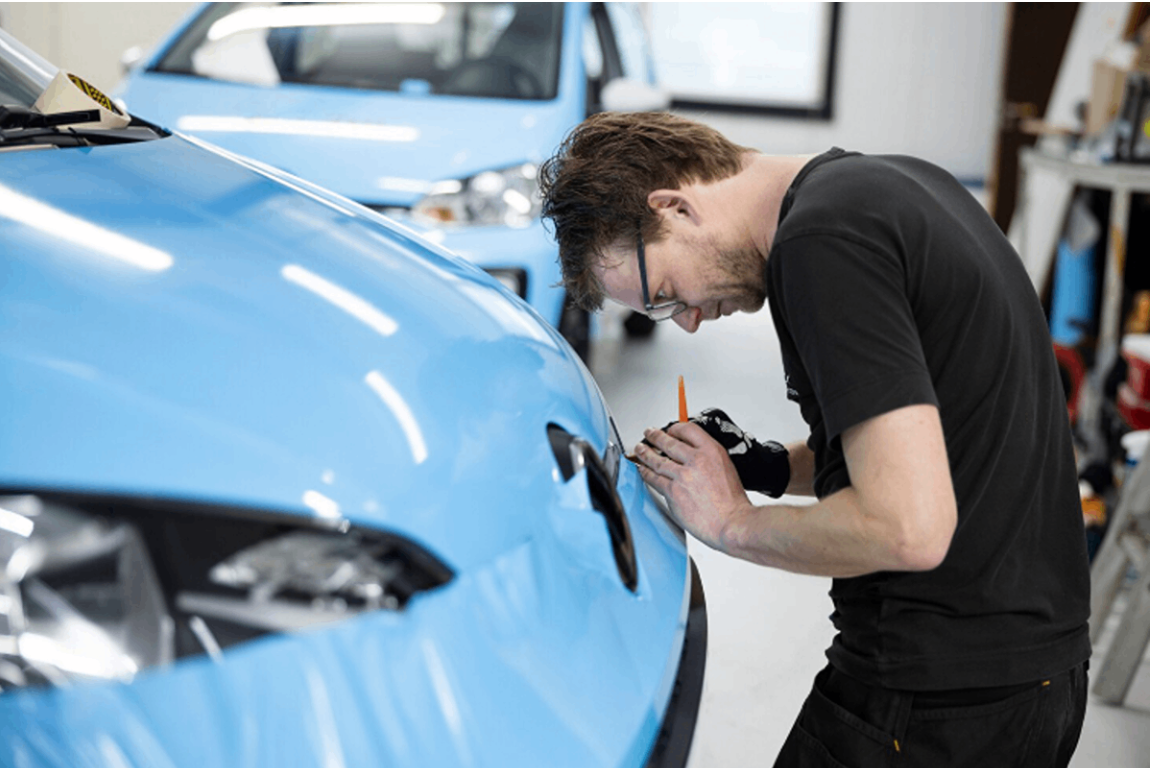
When you notice a dent in your vehicle, your first thought might be about expensive bodywork and paint jobs. However, there's often a better solution that can save you time and money. At Texas Collision Centers, we frequently get asked what paintless dent repair is and how it works.
Paintless dent repair is a specialized technique that removes dents from vehicles without affecting the original paint finish. This method has revolutionized how we approach certain types of vehicle damage, offering car owners a cost-effective and efficient alternative to traditional bodywork.
As a locally-owned collision repair business, we've seen firsthand how PDR can transform vehicles that might otherwise require extensive bodywork. Our commitment to providing exceptional service with a hometown touch means we always explore every repair option to give our customers the best possible outcome.
Paintless dent repair works by carefully manipulating the metal back to its original shape from behind the damaged panel. This process requires specialized tools and extensive training to master properly.
The technique relies on the flexibility of modern automotive paint. Today's paint systems are designed to flex with the metal, which means when we restore the metal to its original shape, the paint typically returns to its normal appearance without cracking or damage.
Our technicians use various tools, including metal rods, body picks, and specialized lighting systems, to identify and work out dents. The process requires patience and skill, as each dent presents unique challenges based on its location, size, and depth.
Not every dent can be repaired using paintless dent repair techniques. Understanding which types of damage work best helps set realistic expectations for vehicle owners.
Hail damage represents one of the most common applications for PDR. Texas weather can be unpredictable, and hailstorms often leave vehicles covered in small to medium-sized dents. These dents are typically perfect candidates for paintless repair.
Door dings from parking lots are another excellent application. These shallow dents usually occur on accessible panels and respond well to PDR techniques when addressed promptly.
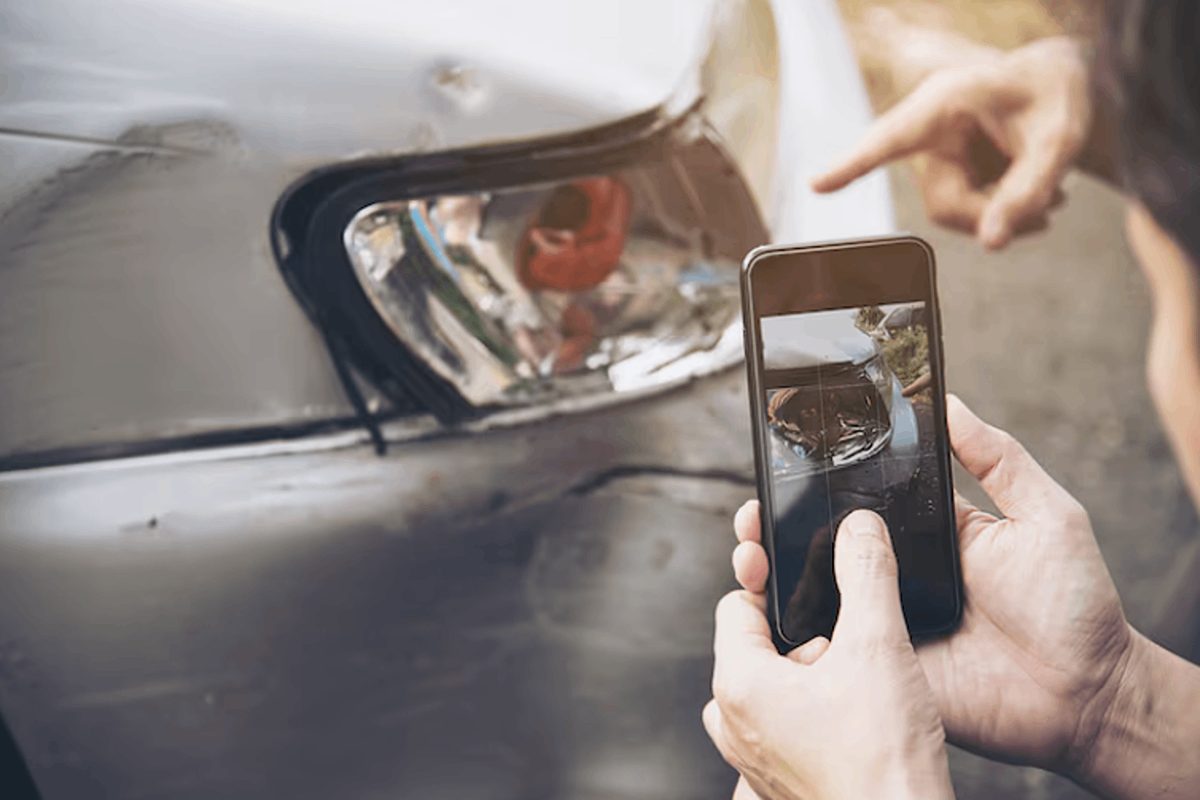
Minor collision damage, such as shopping cart impacts or small bumps, can often be repaired without paintwork. However, the location and severity of the damage determine whether PDR is appropriate.
When you bring your vehicle to Texas Collision Centers for paintless dent repair, we follow a systematic approach to ensure the best possible results.
Here's how our paintless dent repair process works:
This methodical approach reflects our commitment to quality and ensures every repair meets our high standards.
Paintless dent repair offers several advantages over conventional bodywork methods. Understanding these benefits helps choose the right dent repair method.
Cost savings represent one of the most immediate benefits. PDR typically costs significantly less than traditional repair methods because it eliminates the need for paint, primer, and extensive labor hours.
Time efficiency is another major advantage. Most PDR jobs can be completed in hours rather than days. This means less time without your vehicle and a faster return to your normal routine.
The repair maintains your vehicle's original factory paint. This preservation is important for maintaining resale value and ensuring color consistency across all panels.
Environmental benefits shouldn't be overlooked either. PDR generates no paint waste or chemical byproducts, making it an environmentally responsible repair choice.
While we're advocates for paintless dent repair when appropriate, honesty is one of our core values. This means clearly explaining when PDR won't achieve the results you deserve.
What is PDR not suitable for? Dents with paint damage require traditional repair methods. If the impact has cracked, scratched, or chipped the paint, we'll need to address both the dent and the paint damage.
Sharp creases or dents with defined edges typically don't respond well to PDR techniques. These types of damage often require metalwork and refinishing to achieve proper results.
Very large dents may exceed the practical limits of paintless repair. While our technicians are highly skilled, some damage simply requires traditional bodywork approaches.
Location matters significantly. Dents on panel edges, body lines, or areas with limited access may not be suitable for PDR regardless of their size or severity.
Several factors influence whether paintless dent repair will achieve excellent results on your vehicle. Understanding these factors helps explain our assessment process:
Paint condition plays a crucial role. Newer vehicles with flexible paint systems typically respond better to PDR than older vehicles with brittle or damaged paint.
Dent age can impact repair success. Fresh dents often repair more easily than older damage, where the metal may have developed stress patterns.
Vehicle design affects accessibility. Some vehicle designs provide better access to damaged areas, making PDR more straightforward and effective.
Previous repairs in the same area can complicate PDR work. Body filler or previous paint work may limit our ability to use paintless techniques effectively.
At Texas Collision Centers, we see a wide variety of damage that benefits from paintless dent repair techniques. Our experience with different types of damage helps us quickly assess what approach will work best.
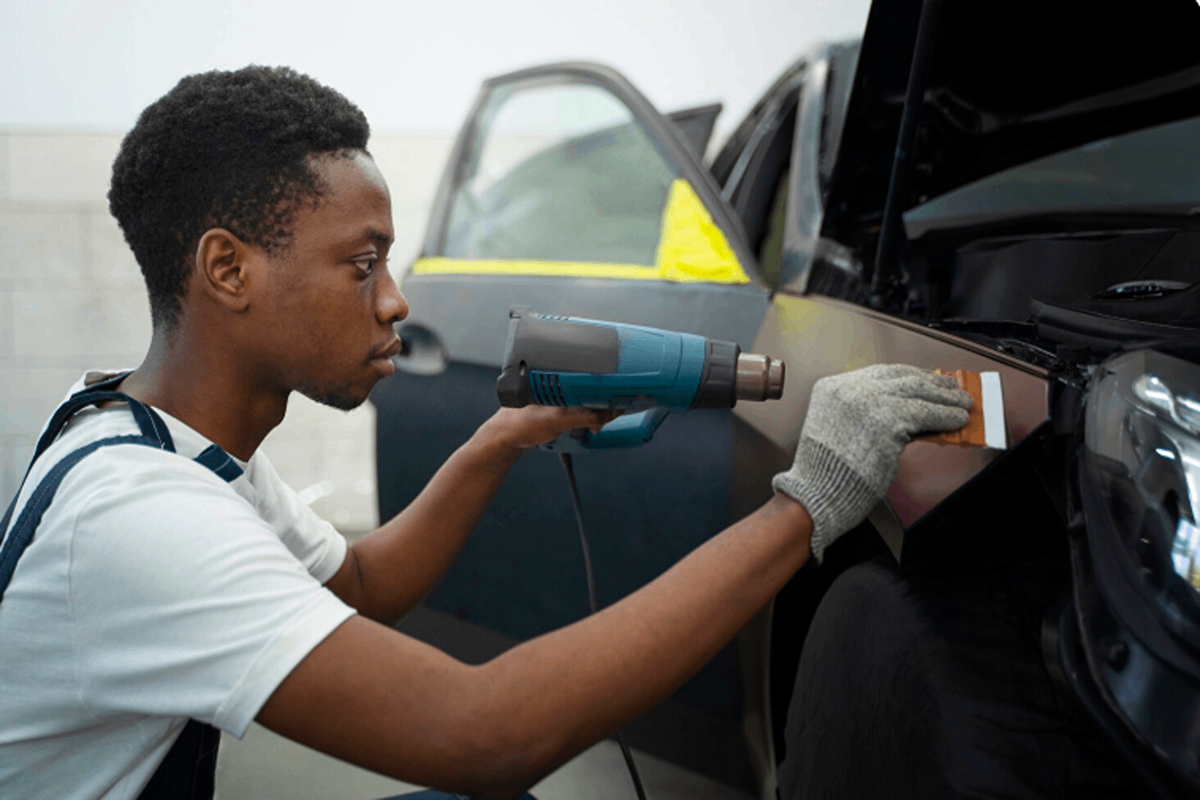
Hail damage repair keeps us particularly busy during certain seasons. Texas weather can produce severe hailstorms that leave vehicles looking like golf balls. PDR often restores these vehicles to their original condition without any paintwork.
Parking lot damage is, unfortunately, common. Door dings, shopping cart impacts, and minor bumps frequently occur in busy parking areas. Most of this damage responds excellently to PDR when addressed promptly.
Minor collision damage sometimes works for paintless repair. Light impacts that create dents without paint damage may be suitable for PDR, depending on their location and characteristics.
Setting realistic expectations is part of providing honest service. While PDR achieves excellent results in appropriate situations, it's not magic.
What is paintless dent repair capable of achieving? In ideal situations, PDR can restore damaged areas to nearly invisible condition. However, perfection isn't always possible, especially with larger or more complex damage.
Some repairs may show minor evidence of previous damage under certain lighting conditions. We'll always show you the expected results before beginning work so you can make an informed decision.
Complex damage may require multiple repair sessions or combination approaches using both PDR and traditional methods to achieve the best possible outcome.
Understanding dent repair cost helps you make informed decisions about your vehicle repairs. Several factors influence the cost of paintless dent repair services.
Dent size and complexity significantly affect pricing. Small, simple dents cost less to repair than large or complicated damage requiring extensive work.
Location accessibility impacts labor time and, therefore, cost. Easily accessible areas typically cost less to repair than dents requiring extensive disassembly for access.
The number of dents affects overall pricing. Multiple small dents caused by hail damage, for example, often benefit from volume pricing that reduces the per-dent cost.
Vehicle type can influence pricing due to access differences and panel complexity variations between different makes and models.
Our approach to paintless dent repair reflects our commitment to exceptional service with a hometown touch. We're not a large corporate chain focused on volume over quality.
Every PDR job receives personal attention from our skilled technicians. We take time to explain the process, set realistic expectations, and ensure you're completely satisfied with the results.
The Texas Collision Centers promise backs every repair we complete, including PDR work. This guarantee reflects our confidence in our work and our commitment to customer satisfaction.
Our local ownership means we're invested in our community and our reputation. We depend on satisfied customers and referrals, which motivates us to consistently deliver exceptional results.
Proper maintenance and care after paintless dent repair help ensure long-lasting results and protect your vehicle's appearance. We provide specific recommendations based on your repair.
Immediate care involves avoiding car washes for 24-48 hours after repair to allow any minor paint stress to settle completely.
Regular maintenance becomes important for preserving the repair area. Quality car care products and gentle washing techniques help maintain the restored finish.
Protection from future damage should be considered, especially if your vehicle is susceptible to the same type of damage that required the initial repair.
The tools and techniques used in PDR have evolved significantly over the years. Modern paintless dent repair relies on sophisticated equipment and emerging trends and techniques.
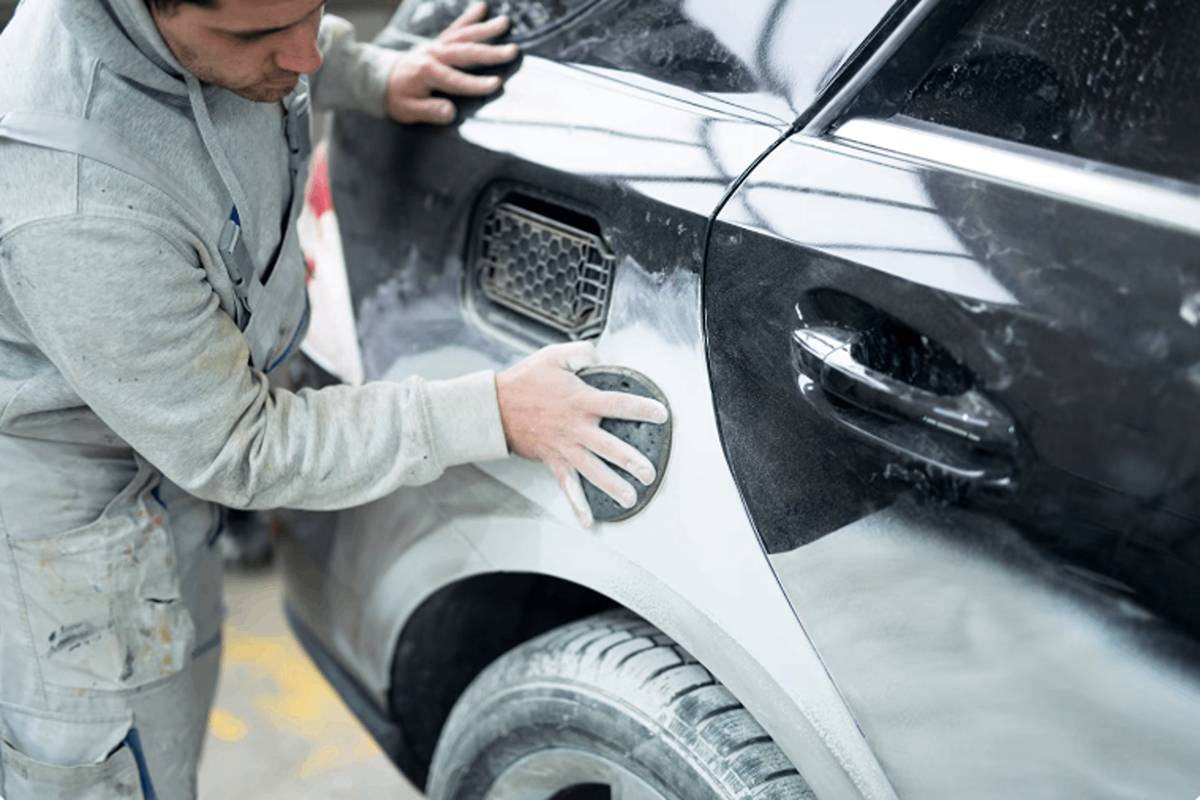
Specialized lighting systems help technicians see exactly how the repair is progressing. These lights reveal the subtle contours and imperfections that need attention.
Precision tools designed specifically for different types of damage allow technicians to work efficiently while minimizing the risk of additional damage.
Training and certification programs ensure technicians stay current with the latest techniques and best practices in the rapidly evolving PDR industry.
Deciding between PDR and traditional dent repair methods depends on your specific situation, budget, and expectations. We help you understand all your options.
Factors to consider include:
Our assessment process helps identify the best approach for your specific needs while considering all relevant factors.
Quality control is essential in paintless dent repair work. Our systematic approach ensures consistent results that meet our high standards.
We inspect every repair under multiple lighting conditions to identify any areas that might need additional attention before considering the job complete.
Documentation of before and after conditions helps track repair progress and ensures we've achieved the best possible results.
Customer review and approval happen before we consider any job finished. Your satisfaction is the ultimate measure of our success.
Reviving your vehicle’s appearance doesn’t have to be disruptive or costly when you choose the right team. At Texas Collision Centers, we pair advanced paintless dent repair techniques with attentive, personalized service to guide you through every step of the repair process.
Our hometown approach means we take the time to explain your options clearly and provide honest recommendations. We carefully assess your vehicle’s damage to ensure you receive the most appropriate and efficient repair solution.
Don’t let minor dents or dings create major stress. Discover how quick, affordable, and effective PDR can be.
Find your nearest Texas Collision Centers location and get back on the road with confidence!
Pricing varies based on damage extent, location, and vehicle type. Contact us for accurate estimates.
Learn more about the collision repair process with insights from the TCC team.


Call us now to schedule your personal estimate
Find A Location


